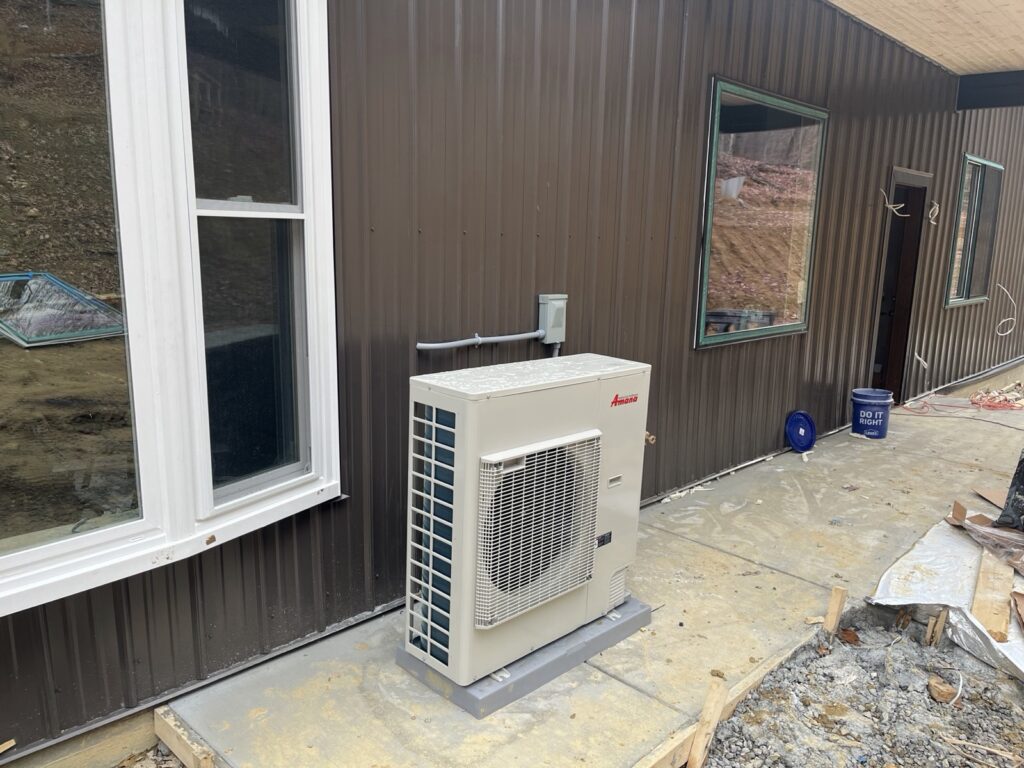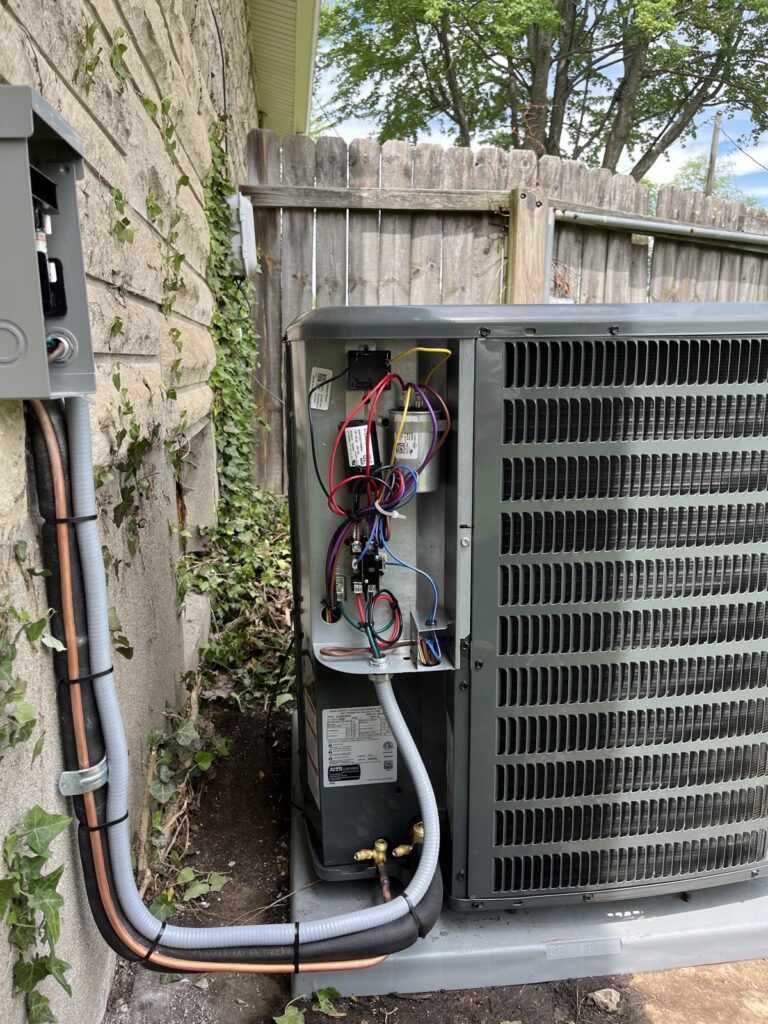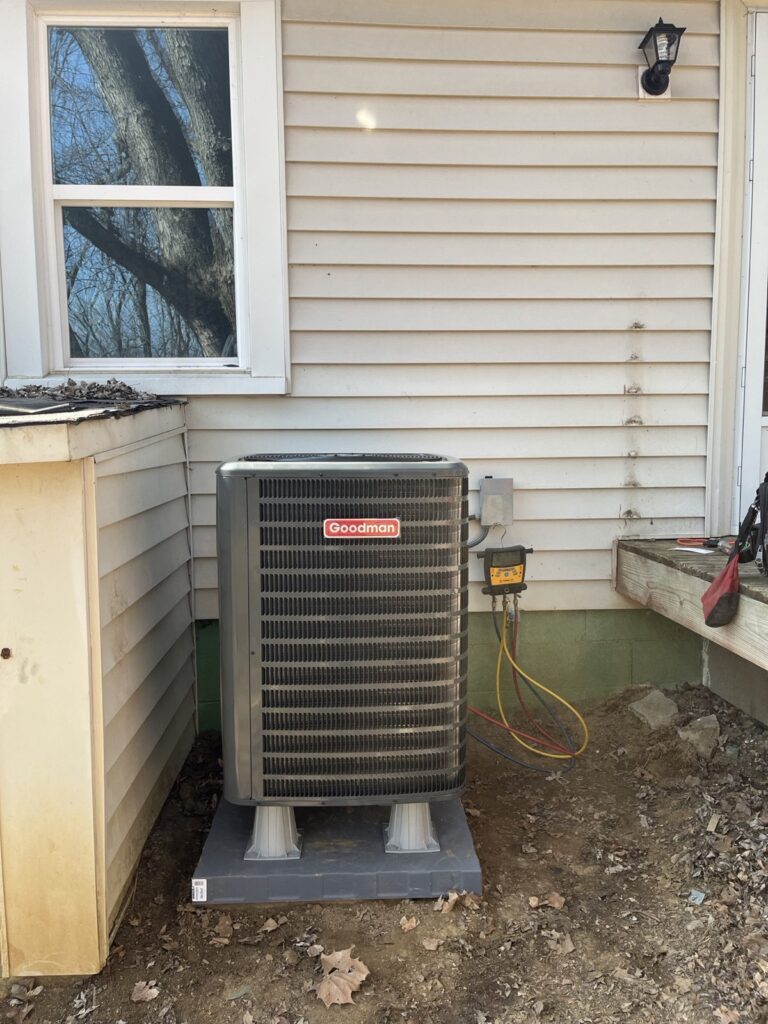
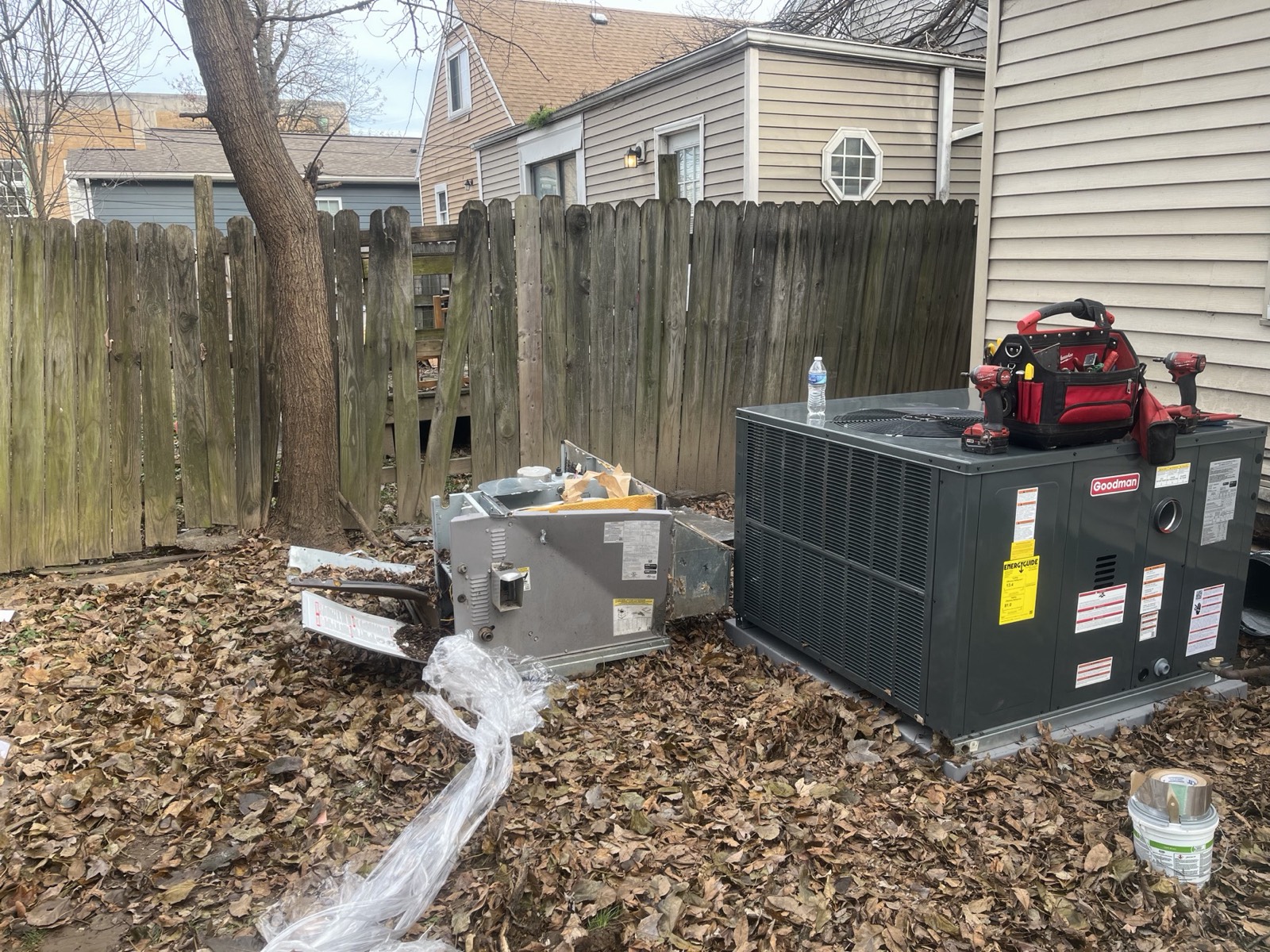
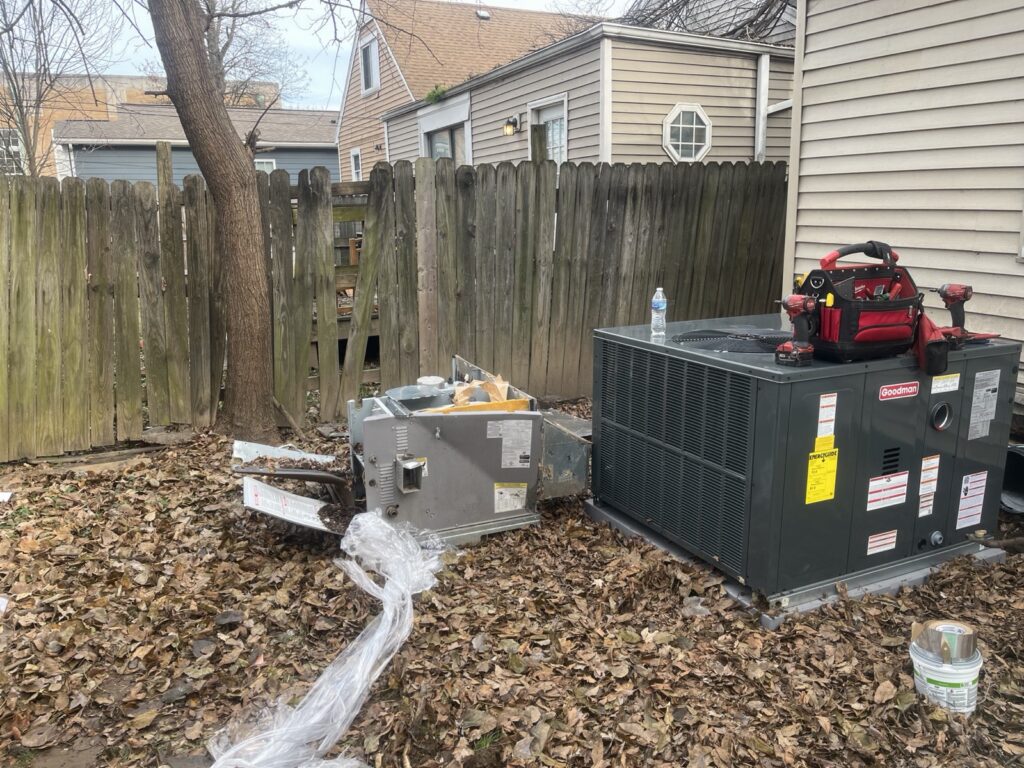
“How much is this going to cost?” is the first question almost every Louisville homeowner asks when their furnace or AC finally gives out. It’s a fair question, and it deserves a straight answer instead of a vague “it depends.” Here’s how HVAC installation pricing actually breaks down in the Louisville area, and what really moves the number up or down.
Why there’s no single price for “a new HVAC system”
A quote for a small condo and a quote for a 3,000-square-foot two-story home in St. Matthews can differ by thousands of dollars, and both can be completely fair prices. The equipment itself is only part of the job. Labor, ductwork condition, electrical work, and the efficiency tier you choose all move the total.
What drives the cost of HVAC installation in Louisville
- System type. A straight air conditioner replacement (keeping your existing furnace) is the least expensive option. A full furnace-and-AC system costs more. A heat pump or dual-fuel system, since it replaces both heating and cooling in one unit, often lands in between once you account for not needing two pieces of equipment.
- Home size and load. Bigger homes need bigger, sometimes multi-zone systems. This is where a proper load calculation matters — sizing off square footage alone leads to an oversized system that costs more up front and runs inefficiently for the life of the equipment.
- Efficiency tier. Standard-efficiency Goodman equipment costs less than a high-SEER2 Amana or Daikin system, but the higher-tier equipment usually pays some of that difference back through lower LG&E bills, and often carries a better warranty.
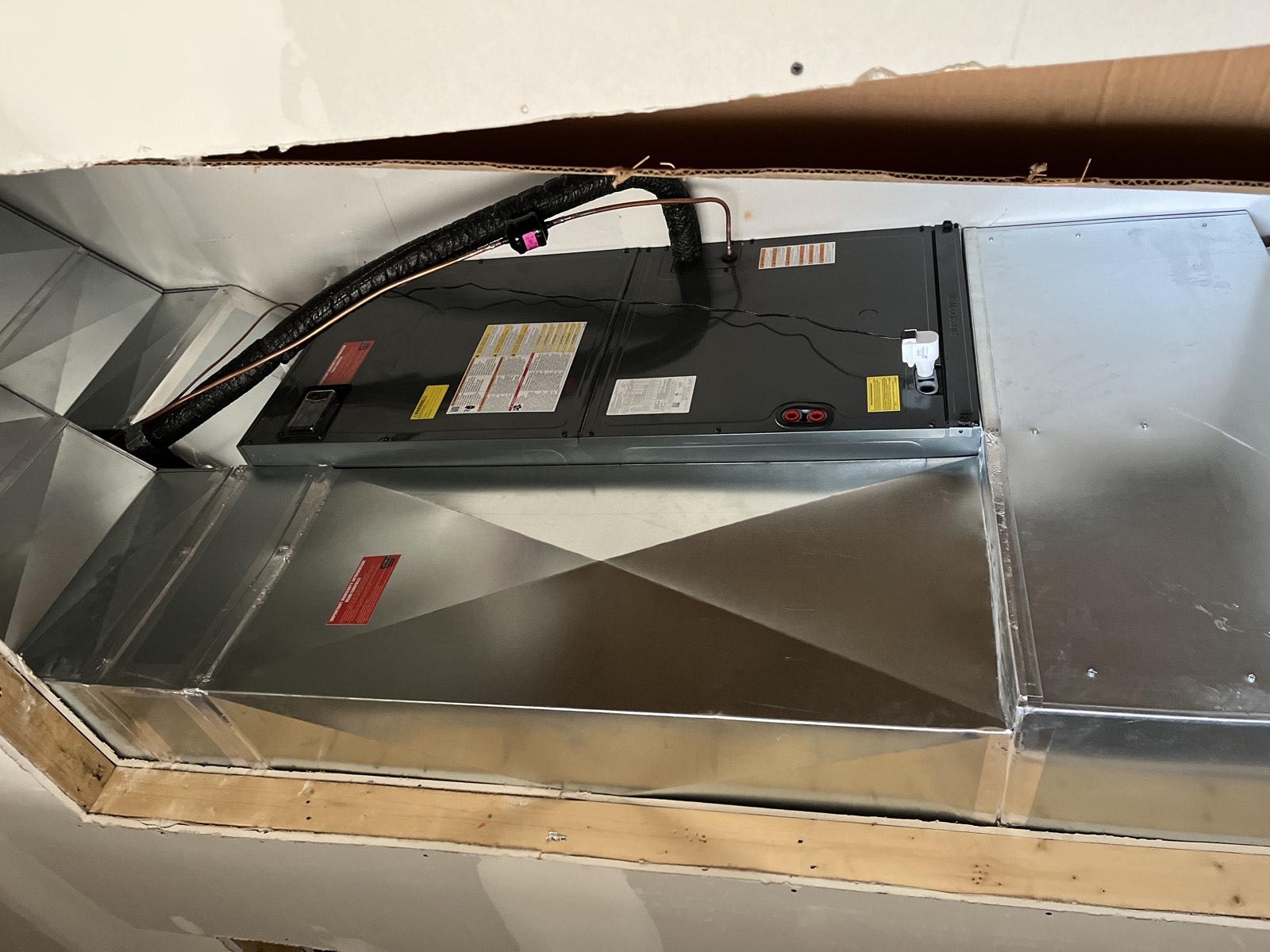
- Ductwork condition. If your existing ducts are leaky, undersized, or need to be extended for a new zone, that work gets added to the installation. It’s also one of the most overlooked reasons a “cheap” installation underperforms.
- Electrical requirements. Heat pumps and some higher-efficiency furnaces need a dedicated circuit or a panel upgrade in older homes. This shows up more often in homes built before the 1990s.
- Removal and disposal. Hauling away the old furnace, condenser, and any asbestos-era ductwork (common in some of Louisville’s older housing stock) is real labor, not an afterthought.
Ways to lower the cost without cutting corners
- Replace at the right time, not the worst time. A dying AC in July or a dead furnace in January puts you at the mercy of same-day emergency pricing. Replacing proactively, once a system is 12-15 years old or repair costs start climbing, gives you time to compare options.
- Ask about rebates and financing. Utility rebates and manufacturer promotions on Goodman, Amana, and Daikin equipment change throughout the year. We’ll tell you what’s currently available rather than making you dig for it.
- Fix the ducts once, not twice. Skipping duct repair to save money up front is the single most common way an installation ends up costing more overall, in comfort and in energy bills.
- Get an actual in-home estimate. A number quoted over the phone without seeing your equipment, ductwork, or electrical panel is a guess. An in-home visit is the only way to get a price you can rely on.
What’s included in a Litsey installation quote
Every estimate we provide covers the full job, not just the equipment sitting in the driveway:
- A room-by-room load calculation, not a square-footage guess
- Proper sizing and matching of the furnace, coil, and condenser (or heat pump)
- Ductwork inspection and any needed repairs, sealing, or modifications
- Electrical disconnect, whip, and any panel work required
- Removal and disposal of your old equipment
- Startup, commissioning, and a walkthrough of your new thermostat
- Warranty registration handled for you
If you’re also weighing a heat pump against sticking with a gas furnace, our guide to heat pumps versus furnaces in Louisville walks through that decision in more detail, and it directly affects which price range you’re looking at.
The bottom line
There’s no way to give an honest number without seeing the house — anyone who quotes a firm price over the phone is either guessing or leaving something out. What we can promise is a written, itemized estimate with no surprise add-ons once the crew is on site, and a $500 discount on new installations for first-time customers.
Want a real number for your home? Request a free in-home estimate. We’ll measure, calculate the load, and give you options at more than one price point — no pressure, no surprise fees.