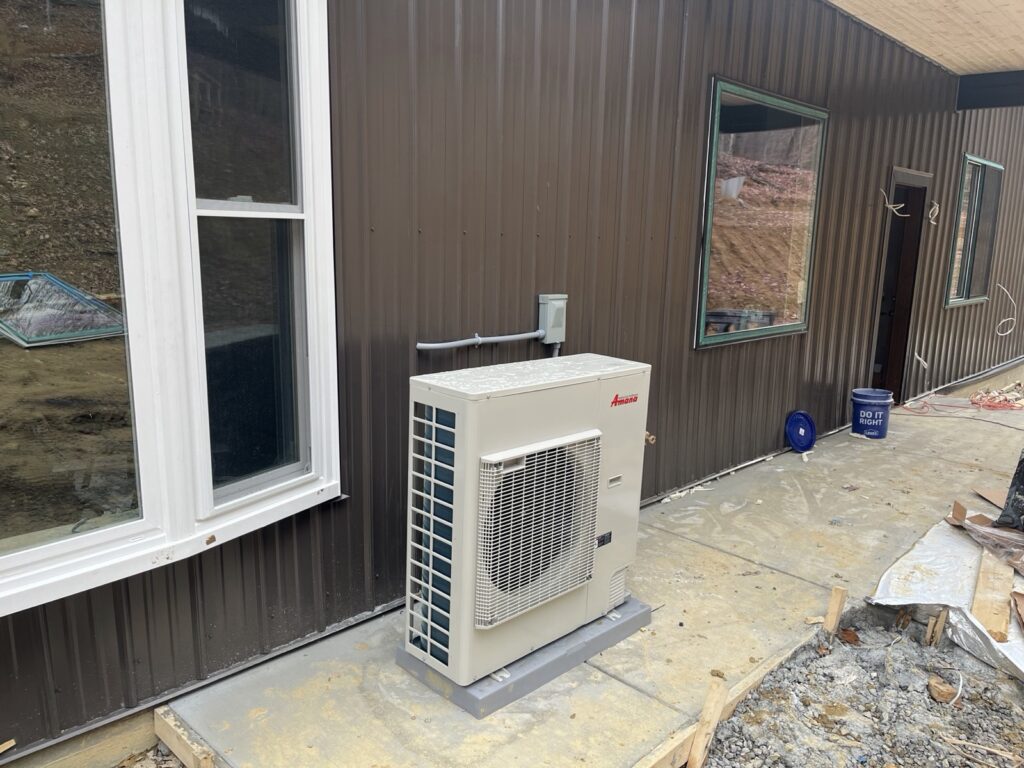
If your furnace or air conditioner is on its last legs, you’ve probably heard two very different pieces of advice: “Get a heat pump, it’ll cut your bills,” and “Heat pumps don’t work in the cold — stick with a furnace.” In Louisville, the honest answer is that both can be the right choice, and which one fits your home depends on your existing equipment, your fuel situation, and how you use your house. Here’s how we walk our customers through the decision.
First, what’s the difference?
A gas furnace burns natural gas to create heat and pushes it through your ducts. It only heats, so it’s always paired with a separate air conditioner for summer.
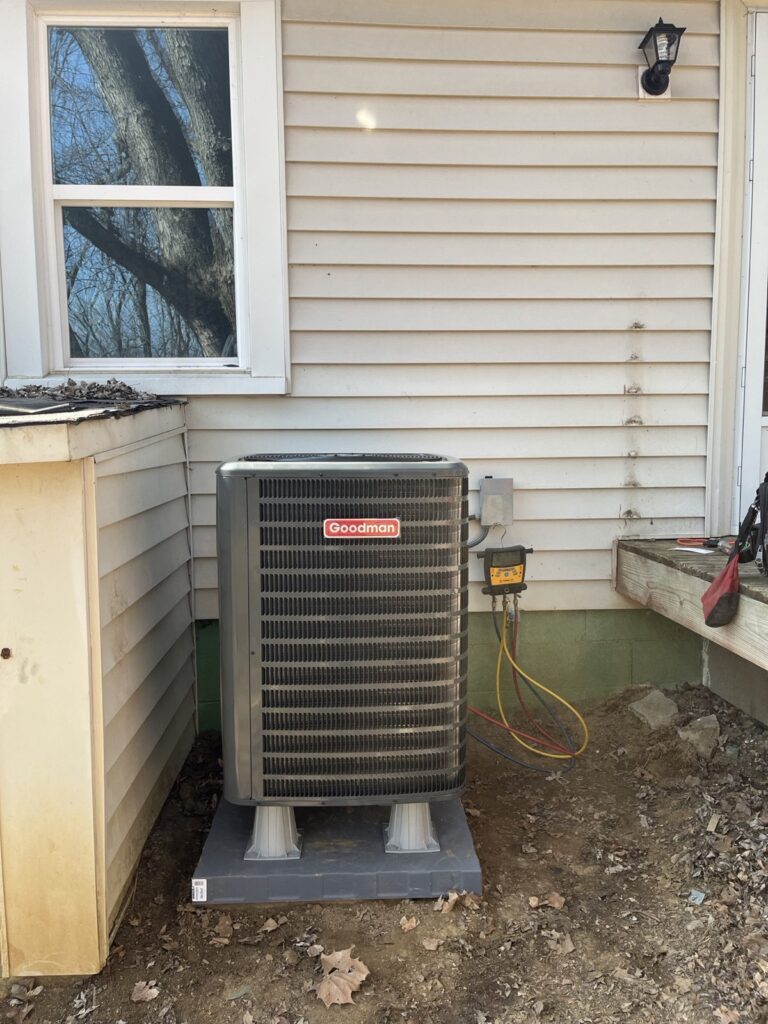
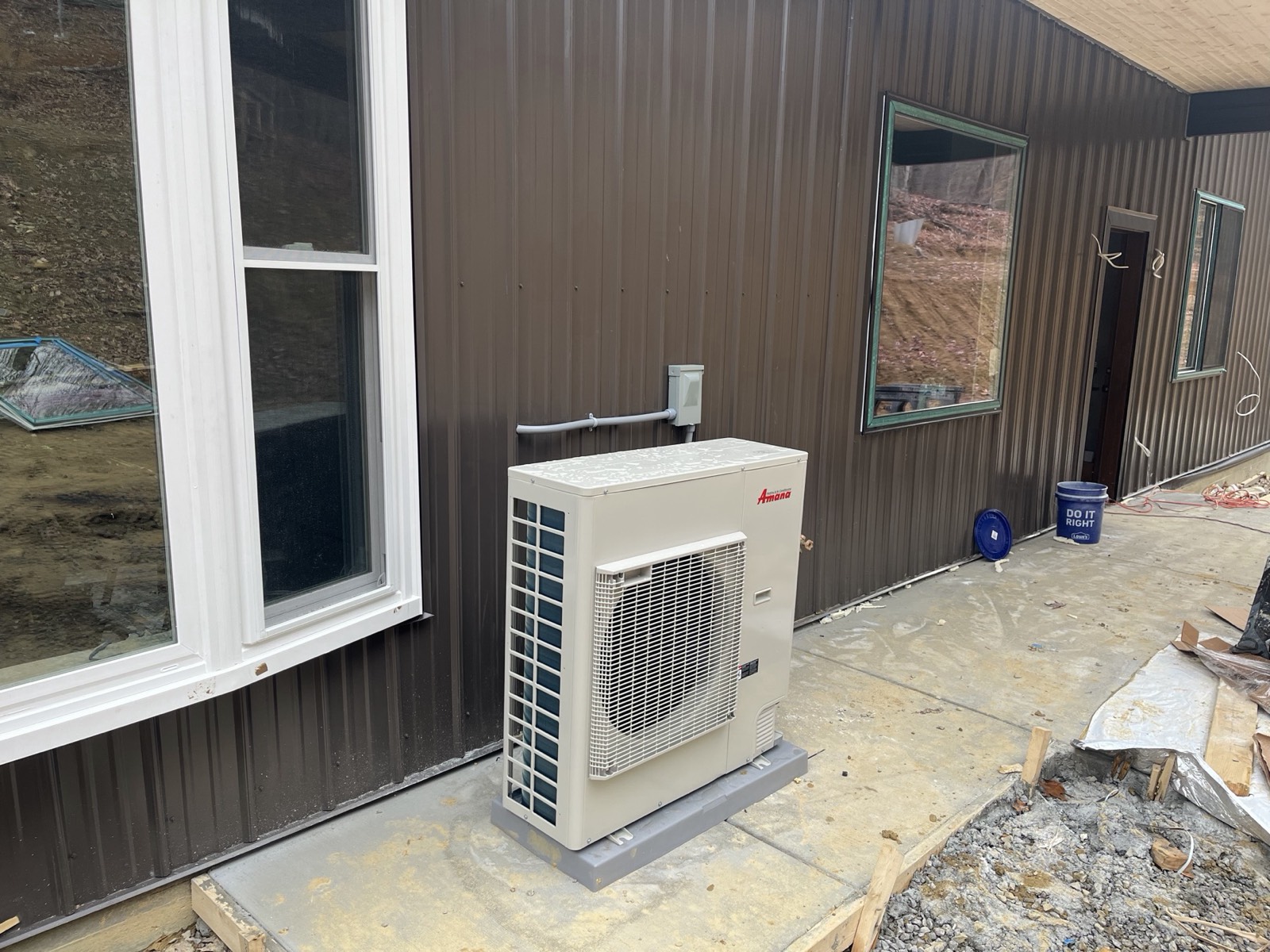
A heat pump is essentially an air conditioner that can run in reverse. In summer it moves heat out of your home; in winter it pulls heat from the outdoor air and moves it inside. Because it moves heat rather than creating it, a heat pump can deliver two to three units of heat for every unit of electricity it uses. One system handles both heating and cooling.
A dual-fuel system pairs a heat pump with a gas furnace. The heat pump handles mild and moderate weather, and the furnace takes over automatically when temperatures drop below a set point. Many Louisville homeowners don’t realize this option exists, and for a lot of houses it’s the best of both worlds.
Louisville’s climate is the deciding factor
Our winters are cold but rarely brutal. Louisville sees plenty of days in the 30s and 40s, a handful of nights in the teens, and only occasional stretches near or below zero. Summers, on the other hand, are long, hot and humid.
That pattern matters because modern heat pumps are very efficient at 35 to 50 degrees, still effective into the 20s, and today’s cold-climate models keep producing heat well below zero. For most of a Louisville winter, a heat pump is the cheaper way to heat. During the coldest snaps, a gas furnace still has the edge on raw heating power and, depending on LG&E rates, on cost per hour.
When a gas furnace makes the most sense
- You already have gas service and a working AC. If your air conditioner is under ten years old and your furnace is the only thing failing, replacing just the furnace is usually the most economical move.
- You want the fastest recovery on the coldest nights. Furnaces deliver hotter air at the register and recover quickly after a setback.
- Your home has older or leaky ductwork. Heat pumps run longer at lower air temperatures, and undersized or leaky ducts make that more noticeable. A furnace is more forgiving.
- Budget is the priority right now. A high-efficiency furnace generally costs less up front than a comparable heat pump system.
When a heat pump makes the most sense
- Both your furnace and AC are due. If you’re replacing everything anyway, one heat pump does both jobs and can lower your total equipment cost.
- Your home is all-electric or you’re paying for propane. Heat pumps beat electric resistance heat and propane on operating cost by a wide margin.
- You want to take advantage of rebates. Utility and federal incentives for high-efficiency heat pumps have been generous in recent years. Ask us what’s currently available through LG&E and federal programs when you get your estimate.
- You’re adding on or finishing a space. A ductless mini-split heat pump can heat and cool a bonus room, sunroom or garage apartment without extending your ductwork.
The dual-fuel option most people overlook
For a typical Louisville home with gas service, we often recommend a dual-fuel setup: a heat pump paired with your gas furnace. The heat pump carries the load on the many mild winter days, and the furnace steps in below a changeover temperature we set based on your fuel costs — usually somewhere in the 30s. You get lower bills most of the winter and full furnace power when it’s frigid. If your furnace is in good shape and only your AC needs replacing, swapping the AC for a heat pump is a straightforward way to get there.
What we look at before recommending anything
Every estimate we give starts with a look at the actual house, not a rule of thumb:
- Load calculation. We size the system to your home’s square footage, insulation, windows and layout. Oversized equipment short-cycles and never dehumidifies properly in our humid summers.
- Ductwork condition. We check for leaks, undersized runs and rooms that never get enough air.
- Electrical capacity. Heat pumps and their backup heat strips may need a panel upgrade in older homes.
- Your fuel costs and habits. How you set the thermostat and whether anyone is home during the day changes which system saves you the most.
Which brands we install
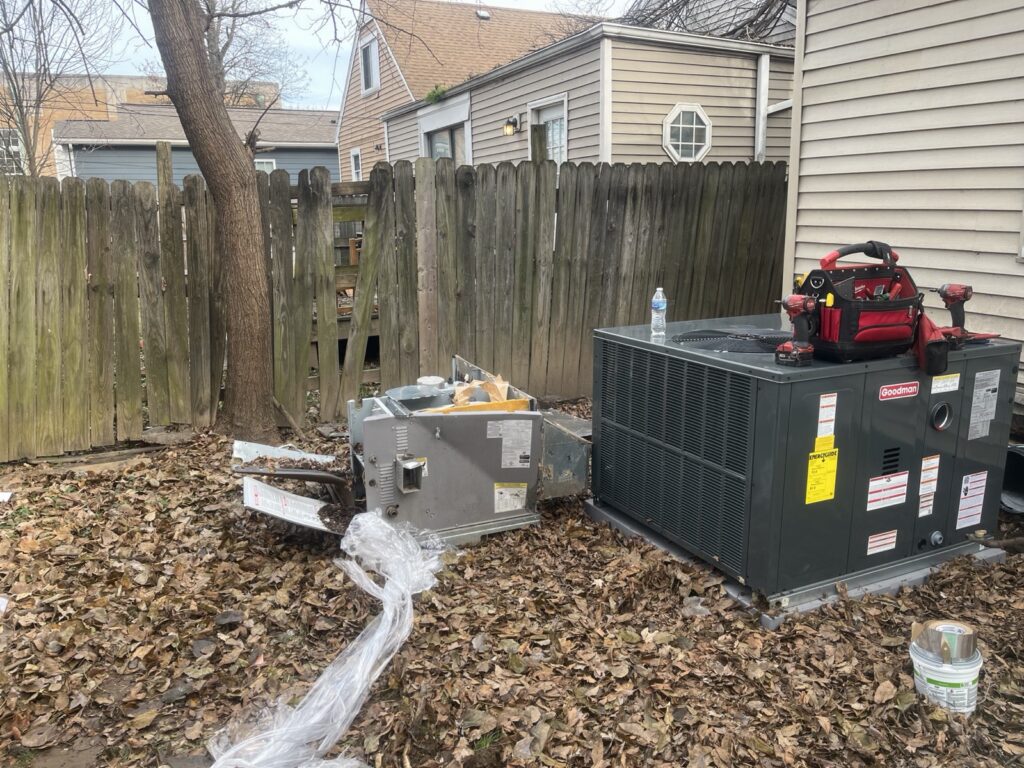
We install and service Goodman, Amana and Daikin furnaces, air conditioners and heat pumps. All three belong to the Daikin group, which means parts availability and warranty support are excellent in the Louisville area. We’ll match the tier to your budget rather than pushing the most expensive option.
Related: Already dealing with a furnace problem? Start with our 8 quick checks for a furnace that’s not heating before you decide whether to repair or replace. Deciding because the old furnace is failing? Start with furnace repair or replace. Whichever you choose, here’s how installation day goes.
Not sure which way to go? Request a free in-home estimate. We’ll run the numbers for a furnace, a heat pump and a dual-fuel system side by side, and tell you plainly which one we’d put in our own home.