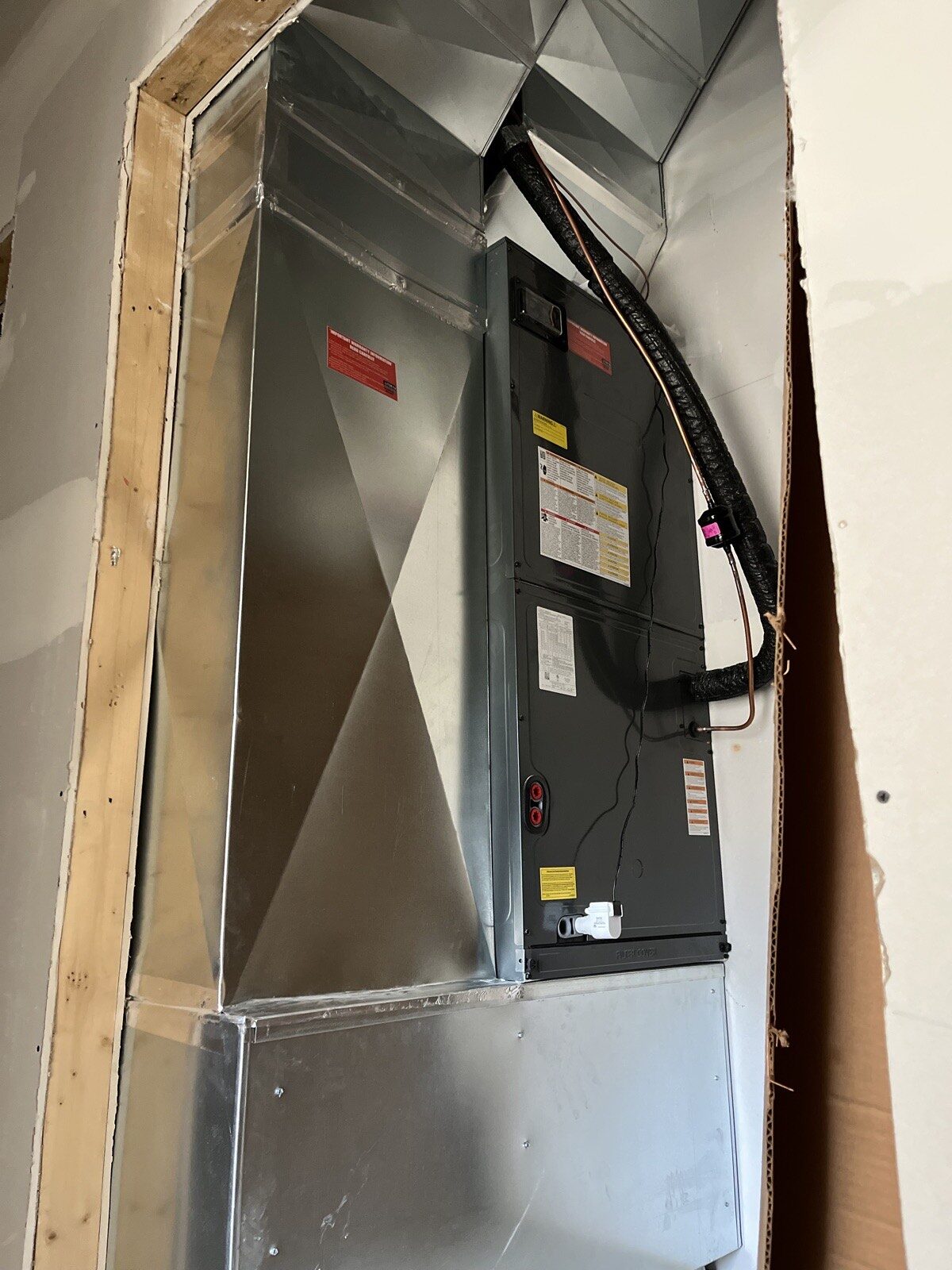
The first cold morning of the season has a way of finding every furnace that isn’t ready. If your furnace is not heating, the cause is often something simple — a thermostat setting, a clogged filter, a switch that got flipped — and a few minutes of checking can save you a service call. Other times it’s a safety problem that needs a professional right away. Here’s how to tell the difference, from the Louisville heating and air team that has been repairing furnaces since 1975.
Safety first: when to stop and call right away
Skip the checklist and get help immediately if any of these apply:
- You smell gas (a rotten-egg odor). Leave the house, don’t flip switches or use a phone inside, and call 911 or your gas utility’s emergency line (LG&E in Louisville) from outside.
- Your carbon monoxide alarm is sounding, or anyone in the home has headaches, nausea, or dizziness. Get everyone outside and call 911.
- The burner flames are yellow, orange, or flickering instead of steady blue, or you see soot or scorch marks around the furnace. Shut the furnace off and call a technician.
Once everyone is safe, our 24/7 emergency heating service is one call away at (502) 415-5214.
8 quick checks when your furnace is not heating
If none of the warning signs above apply, work through these in order. Each one takes about a minute.
1. Check the thermostat
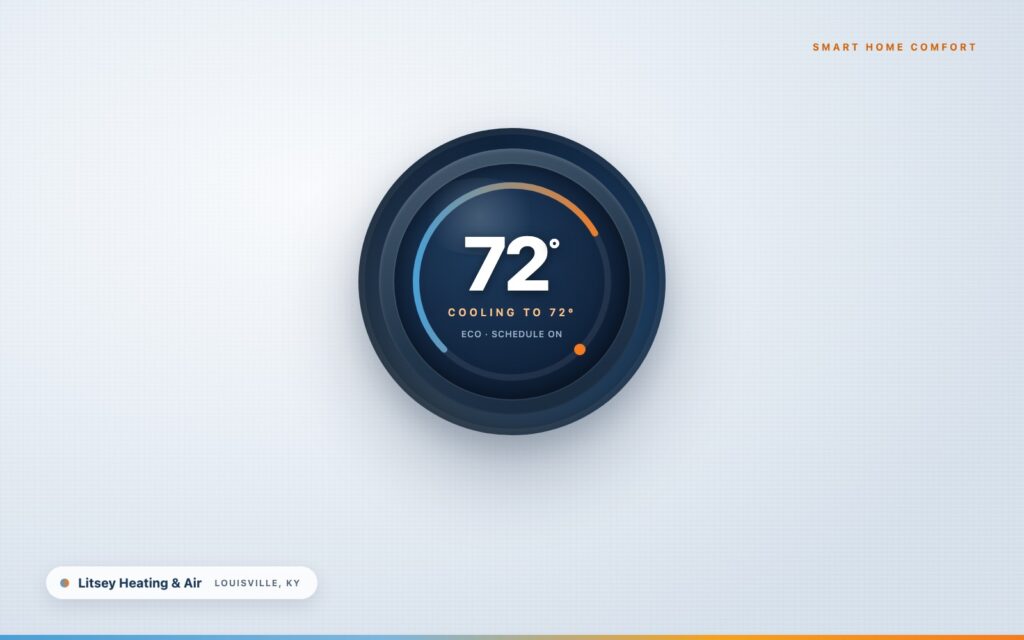
Make sure it’s set to Heat and at least three to five degrees above the current room temperature. Check that the fan setting is on Auto — with the fan set to “On,” the blower runs constantly and pushes unheated air through the vents when the burners are off, which is a common reason for a furnace blowing cold air. Replace the batteries if the display is dim or blank. If you have a smart thermostat, make sure an eco mode or schedule isn’t overriding you; our guide to how a smart thermostat saves money and energy explains how those settings work.
2. Replace a dirty air filter
A clogged filter chokes airflow, makes the furnace overheat, and can trip the high-limit safety switch that shuts the burners off. It is the single most common cause of weak or intermittent heat. Pull the filter out and hold it up to a light — if you can’t see light through it, replace it. Plan on changing it every 60 to 90 days all winter, more often if you have pets.
3. Make sure the furnace has power
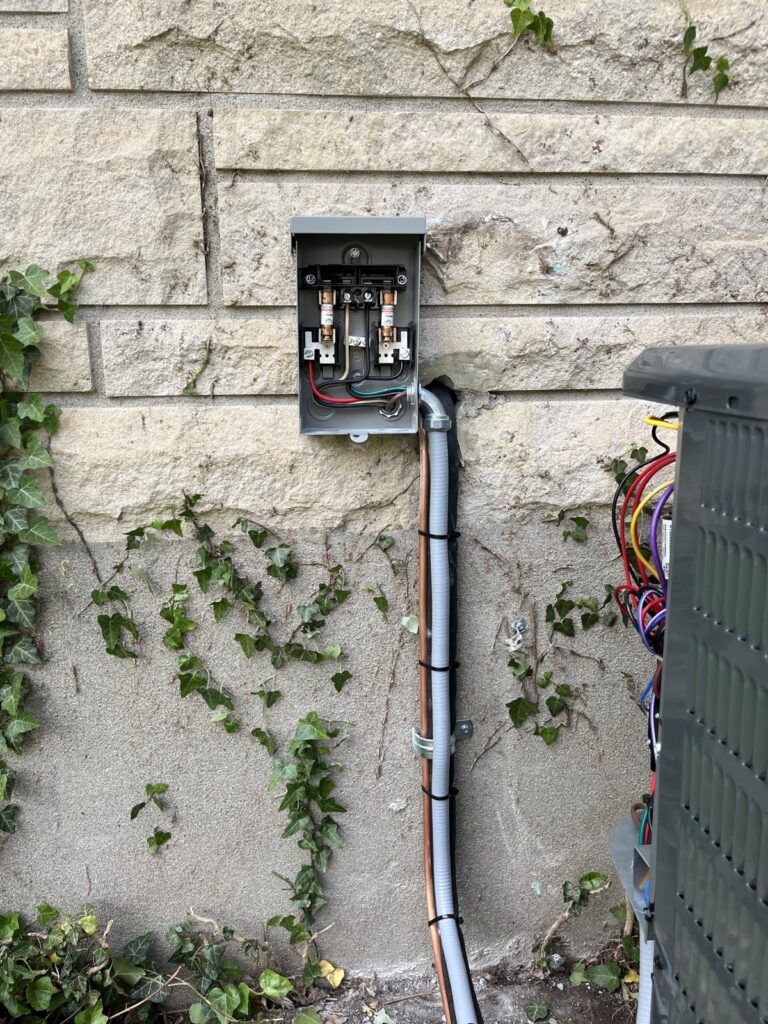
Most furnaces have a switch on or near the unit that looks like an ordinary light switch, and it’s easy to flip off by accident. Confirm it’s on, check the breaker in your electrical panel, and make sure the furnace’s access panel is fully closed — a door switch cuts power when it isn’t.
4. Look at the gas supply and ignition
Confirm the gas valve near the furnace is open (the handle sits parallel to the pipe). On an older furnace with a standing pilot, check whether the pilot light is lit — but only relight it by following the instructions printed on the furnace, and never if you smell gas. On a newer furnace with an electronic igniter, you may hear clicking or see the igniter glow without the burners ever lighting. That’s a repair, not a do-it-yourself job.
5. Check vents, registers, and return grilles
Walk through the house. Supply registers should be open and clear, and return grilles shouldn’t be blocked by furniture, rugs, or curtains. Closing too many vents raises pressure inside the ductwork and can make the furnace shut down early, which leaves some rooms cold while others overheat.
6. Check the outside pipes and drain on a high-efficiency furnace
Furnaces rated 90% efficient or higher vent through white PVC pipes that run through a wall or the roof. If the intake or exhaust is blocked by snow, ice, leaves, or a bird’s nest, a safety switch shuts the furnace down. These furnaces also produce condensate that drains away through a small line; a clogged drain can trip a switch and leave water near the unit. Clear obvious blockages gently, and call us if the drain is the problem.
7. Listen to what the furnace is telling you
Banging at startup, squealing or grinding from the blower, repeated clicking with no flame, or a furnace that runs for a minute and shuts off (short cycling) all point to specific parts. Write down what you hear and when it happens — it makes diagnosis faster and cheaper once a technician arrives.
8. Think about the furnace’s age and repair history
Gas furnaces typically last 15 to 20 years. If yours is in that range and keeps breaking down, the next repair may not be the last. Read our guide to the 4 warning signs your HVAC system needs immediate repair and the signs it’s time to replace your system, and if replacement is on the table, see what HVAC installation costs in Louisville and whether a heat pump or a furnace fits your home.
Furnace won’t turn on vs. furnace running but not heating
What the furnace is doing narrows down the cause:
- Won’t turn on at all: usually power (the switch, the breaker, the door switch), the thermostat, or a tripped safety switch.
- Runs but blows cold air: often the thermostat fan setting, an ignition or flame-sensor problem, or a gas supply issue.
- Heats, but not enough or unevenly: a dirty filter, blocked vents, leaky or undersized ductwork, or a weakening blower.
- Turns on and off every few minutes: overheating from restricted airflow, a dirty flame sensor, or a failing control component.
When to call for furnace repair in Louisville, KY
Call a licensed technician if the checks above don’t restore heat, if you smell gas or see yellow flames, if the furnace short-cycles or makes banging or grinding noises, or if your carbon monoxide alarm goes off. Don’t try to repair gas valves, burner assemblies, or the heat exchanger yourself — it isn’t safe, and it can void the manufacturer’s warranty.
Litsey Heating and Air (License # HM05930) offers standard repair visits with 2-hour arrival windows and 24/7 emergency service when a no-heat problem can’t wait. Emergency calls are typically priced higher than scheduled repairs, which is one more reason to catch problems early. Learn more about our HVAC repair services.
We repair furnaces across Louisville, Highview, Jeffersontown, Middletown, Newburg, Prospect, Springhurst, and St. Matthews, with our shop right on Bardstown Road in the 40218 area.
How to avoid a no-heat night
Most no-heat calls trace back to a part that was already wearing out: a weak capacitor, a dirty flame sensor, a worn blower motor. A fall tune-up catches those before the first freeze. See what a visit covers in our fall furnace tune-up checklist, or find out whether an HVAC maintenance plan is worth it so your spring and fall visits are scheduled automatically. Our Annual Service Plan includes both seasonal visits, a full inspection each time, and priority booking in peak season.
Related: If the repair quote is big, read furnace repair or replace? before you decide — and if the furnace runs but the bills hurt, see why your heating bill is so high. Smell something, or has a CO alarm ever gone off? Read our furnace safety inspection guide first.
Furnace still not heating? Don’t spend another cold night guessing. Our technicians diagnose the problem, explain what they find, and quote the repair before any work begins.