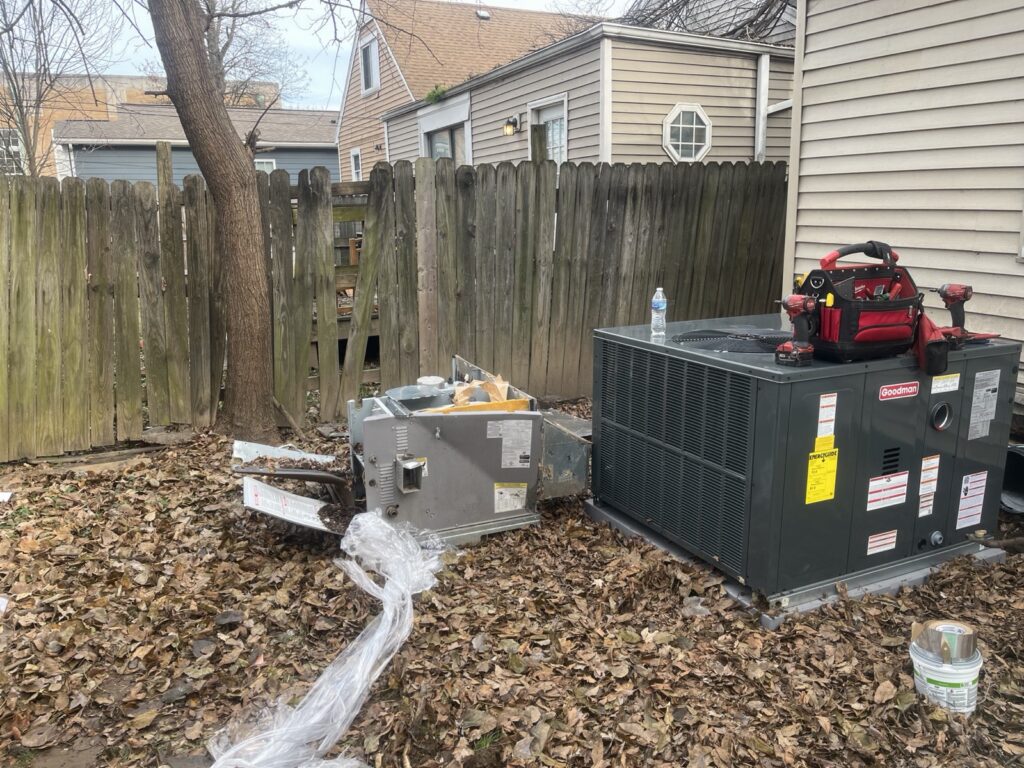
The furnace quits on the first cold night of the year, the technician finds the problem, and then comes the question every Louisville homeowner dreads: should I repair this furnace or replace it? There is a sensible way to decide, and it doesn’t require guessing. Below is the same checklist we walk through with customers — the age test, the 50% rule, the safety red flags that end the conversation, and what furnace repair and furnace replacement actually cost in Louisville, KY.
Start with the age of the furnace
A gas furnace in a Louisville home typically lasts 15 to 20 years, and the ones that reach 20 usually had regular maintenance. Find the data plate inside the furnace door (or the serial number on the side) — the manufacture date is printed or encoded there, and we can decode it for you.
- Under 10 years old: repair almost every time. The equipment has plenty of life left and most parts are still under the manufacturer’s limited warranty.
- 10 to 15 years old: repair the inexpensive failures, but start comparing. A second major repair in this window is usually the signal to replace.
- 15 years or older: replacement deserves a serious look before you spend real money on repairs. Efficiency has moved on, and the next failure is usually not far behind this one. This is exactly why our Fall Heating Clean & Check Special includes a free written replacement estimate for any furnace 15 years or older — no second appointment needed.
Use the 50% rule
Here’s the rule of thumb most of the industry uses: if a repair costs more than 50% of the price of a new furnace, replace it. Combine it with age and it gets sharper — a $900 blower motor on a 6-year-old furnace is an easy repair; the same $900 on an 18-year-old furnace is money you’ll wish you had put toward the new system. A good contractor will give you both numbers in writing so you can do the math yourself. See our guide to HVAC installation costs in Louisville for what goes into a replacement quote.
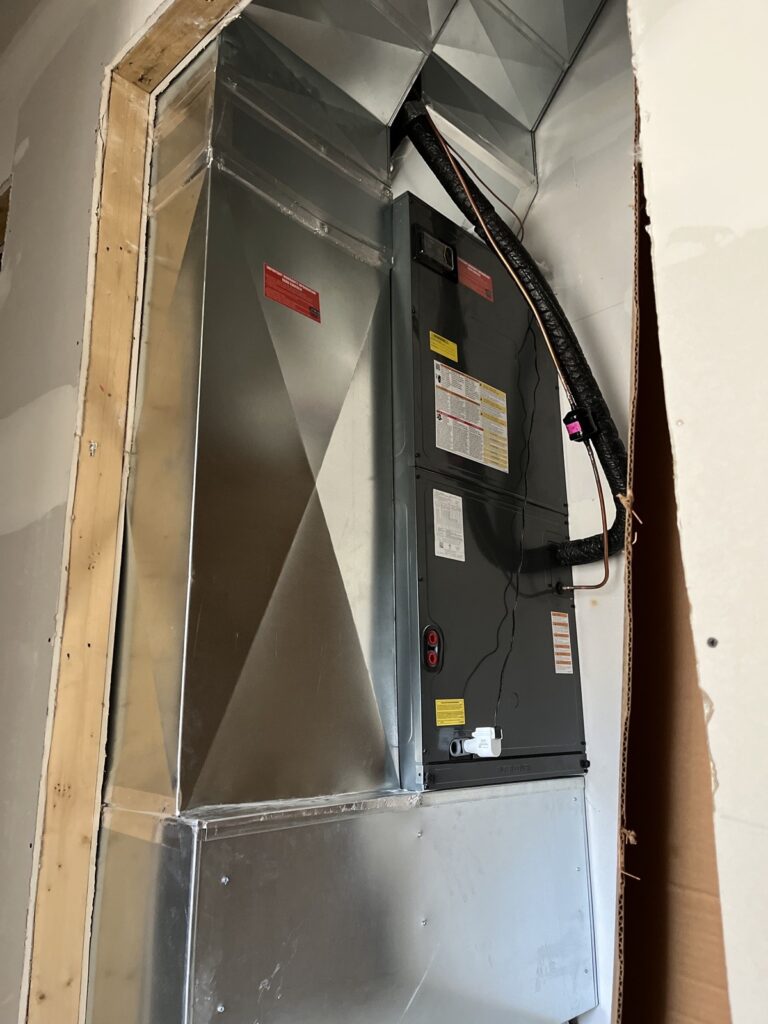
Repair red flags that mean “replace”
Some findings end the repair-or-replace debate on the spot:
- A cracked heat exchanger. This is the part that keeps combustion gases out of the air you breathe. A crack can leak carbon monoxide into the home, and the repair is expensive enough that replacement is nearly always the better choice on anything but a young furnace under warranty.
- Repeated breakdowns. Two or three service calls in a single heating season means you’re paying for repairs and a replacement, just in installments.
- Heating bills climbing while usage stays the same. An aging furnace loses efficiency as burners, blowers, and controls wear. If your heating bill keeps rising and the equipment is older, the furnace itself is often the reason.
- Uneven heat, short cycling, or a furnace that runs constantly. These can be repairable airflow or control problems on a newer unit, but on an old one they usually point to a system that can’t keep up anymore.
- Rust, corrosion, or soot around the burners. Signs of a long, hard life and, sometimes, of combustion problems.
- Parts that are no longer available. Discontinued control boards and motors can turn a simple repair into a weeks-long wait.
Not sure what you’re looking at? Our checklist of warning signs your HVAC system needs immediate repair covers the symptoms that shouldn’t wait, and these 8 quick checks for a furnace that’s not heating rule out the simple stuff before you call.
When repair is the right call
We replace a lot of furnaces, but we repair far more, and we’ll tell you when a repair is the smart move:
- The furnace is under 12 years old and the failed part is a common one — ignitor, flame sensor, capacitor, pressure switch, limit switch, inducer motor.
- The repair is well under 50% of replacement cost and the heat exchanger tests sound.
- The furnace has a solid maintenance history, so this is a one-off failure rather than the first of many.
- You’re planning to sell the home within a year or two and a new system wouldn’t be recovered in the sale price.
Our furnace repair service in Louisville covers all major brands, and every repair comes with a written quote before any work starts.
What furnace repair costs in Louisville
Every home is different, but typical gas furnace repairs fall into predictable bands:
- Small parts — ignitors, flame sensors, capacitors, thermostats: usually in the low hundreds.
- Motors and switches — blower motors, inducer motors, gas valves, control boards: typically several hundred to just over a thousand dollars, depending on the part and the furnace.
- Heat exchangers — the most expensive repair on a furnace, and the one that most often tips the decision to replacement.
Members of our annual maintenance plan get 10% off replacement parts, which takes the edge off the mid-sized repairs.
What a new furnace costs — and what you get back
The price of a furnace replacement depends on the size of the home, the efficiency rating you choose, whether the air conditioner is replaced at the same time, and the condition of the ductwork. What’s consistent is the payoff: an older furnace often runs at 60–80% AFUE (annual fuel utilization efficiency), while today’s high-efficiency Goodman and Amana furnaces reach 95% or better. That means a meaningful share of the gas you’re paying for stops going up the flue. Add a new thermostat and a properly sized system and most homeowners notice the difference on the very first winter bill. If you’re weighing a heat pump instead, read heat pump vs. furnace for Louisville homes.
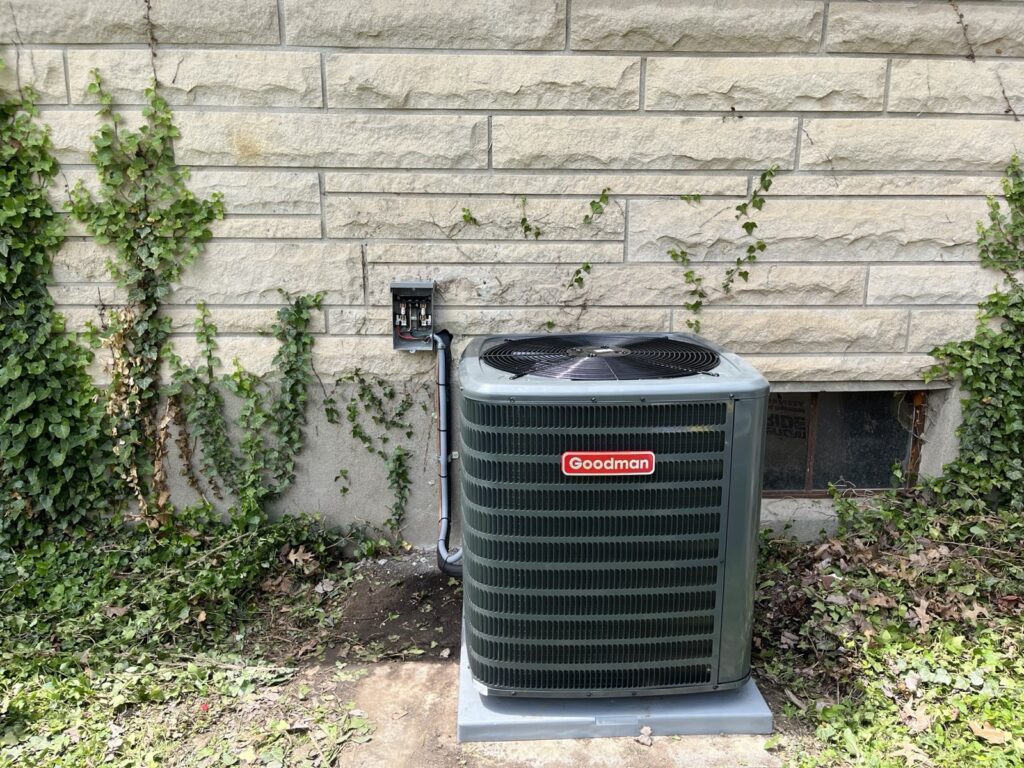
How to get both numbers without a second appointment
Here’s the easiest way to settle the question this fall. Book our Fall Heating Clean & Check Special — $150 per system for a full year of care, with a furnace clean and check now and an AC tune-up in spring. If your furnace is 15 years or older, the technician leaves a free written replacement estimate at the same visit. You’ll know the repair cost, the replacement cost, and the condition of the heat exchanger before you decide. New customers also get $500 off a new installation — mention code HVAC500. Our full fall furnace tune-up checklist shows everything the visit covers.
Furnace repair or replace: FAQs
Is it worth repairing a 20-year-old furnace?
Rarely. At 20 years the furnace has outlived its expected life, parts can be hard to find, and the efficiency gap against a new unit is large. A small, inexpensive repair to get through a season is reasonable; a major one is usually not.
Can a cracked heat exchanger be repaired?
The part can be replaced, but it’s labor-intensive and costly, and on an older furnace it almost never makes financial sense. Because a crack can leak carbon monoxide, the furnace should be shut down until it’s fixed or replaced.
Should I replace the air conditioner at the same time?
If the AC is a similar age, often yes. The furnace blower moves the cooled air too, a matched system runs more efficiently, and doing both at once saves on labor. If the AC is much newer, we’ll size the furnace to work with it.
How long does a furnace replacement take?
Most residential furnace replacements are completed in a single day. Jobs that include new ductwork or an air conditioner can take longer, and we’ll tell you up front.
Do you offer financing on a new furnace?
Yes — financing is available on new Goodman, Amana, and Daikin systems, and every quote is written and itemized. See our HVAC installation services for details.
Still on the fence? Get both numbers from the same visit. Litsey Heating and Air has served Louisville, Highview, Jeffersontown, St. Matthews, and the surrounding neighborhoods since 1975 — veteran-owned, licensed (License # HM05930), and happy to tell you when a repair is the smarter choice.