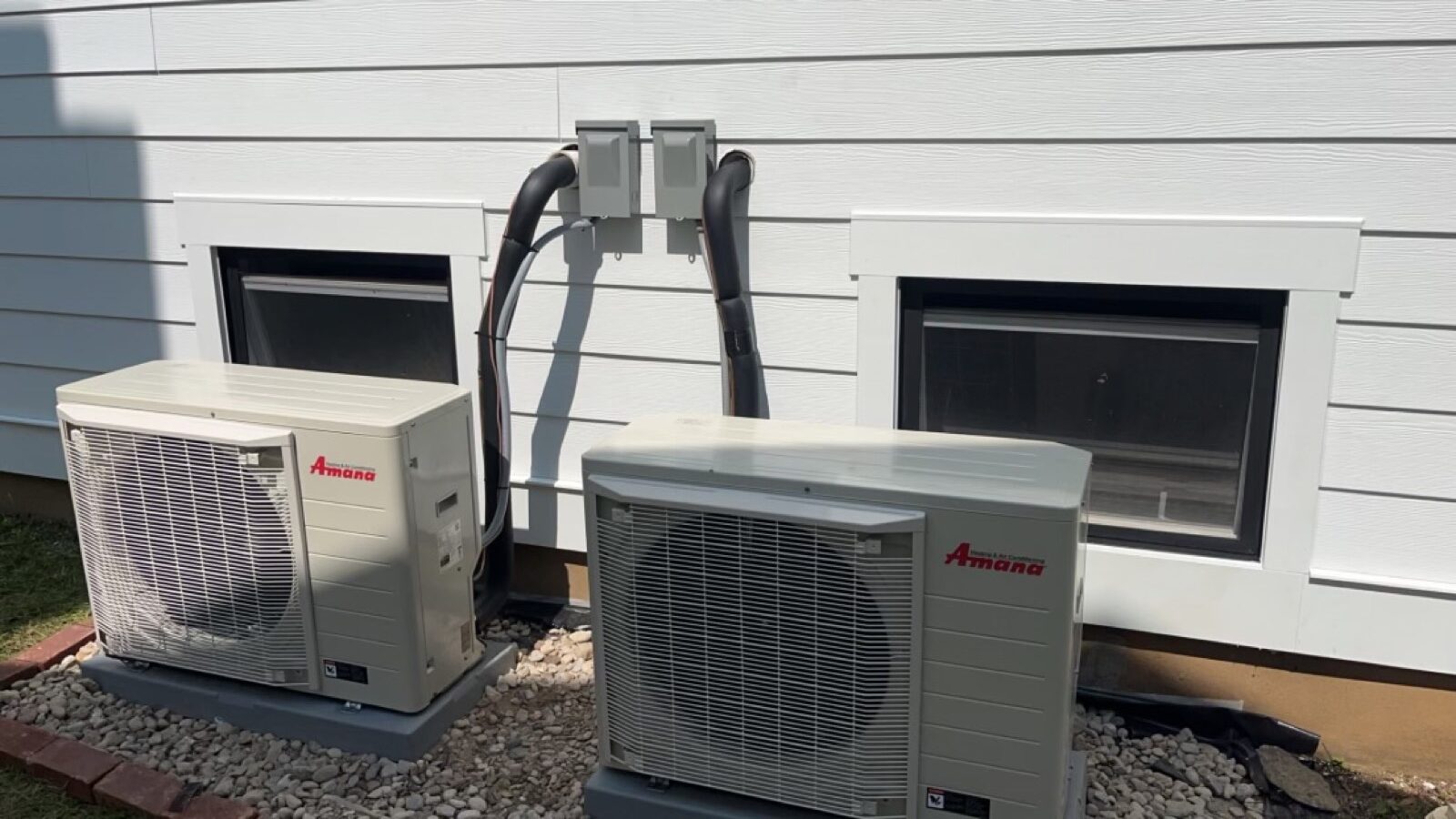
“A heat pump won’t keep up in a Kentucky winter.” We hear it every October, usually from someone whose neighbor had a heat pump installed in 1998. Modern heat pumps are a different machine, and Louisville’s winters — cold, but rarely brutal — are close to ideal for them. Here’s how a heat pump actually heats below freezing, when the backup heat kicks in, what a dual-fuel system is, and how to decide whether a heat pump, a gas furnace, or both is right for your Louisville home.
How a heat pump heats when it’s cold outside
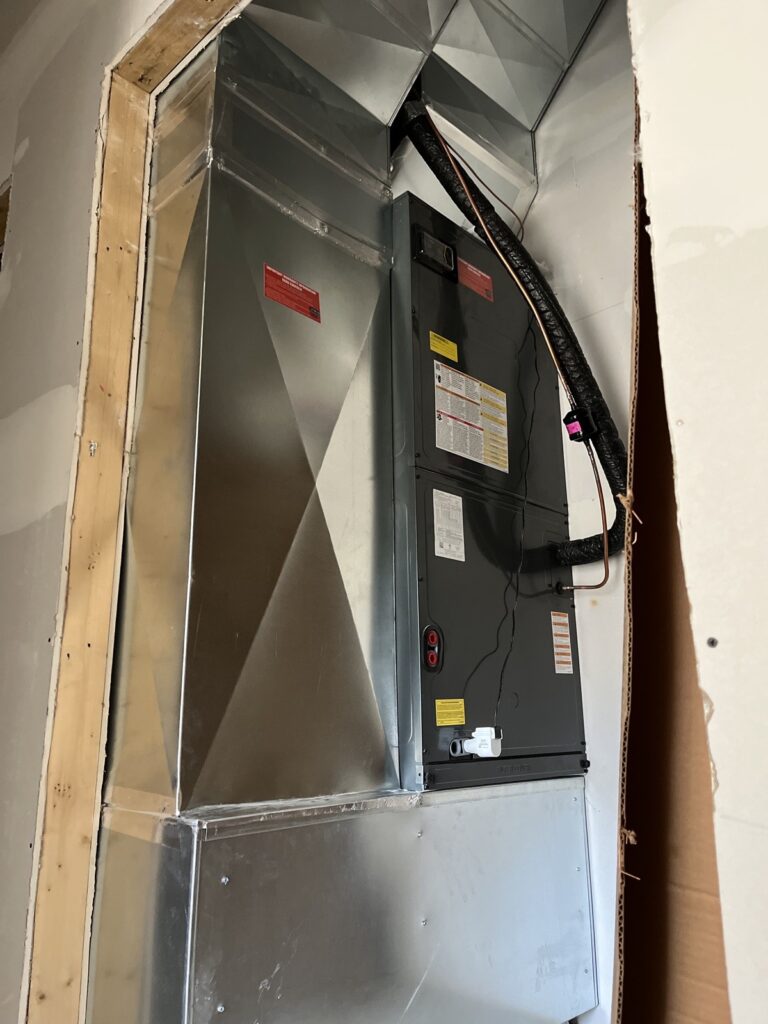
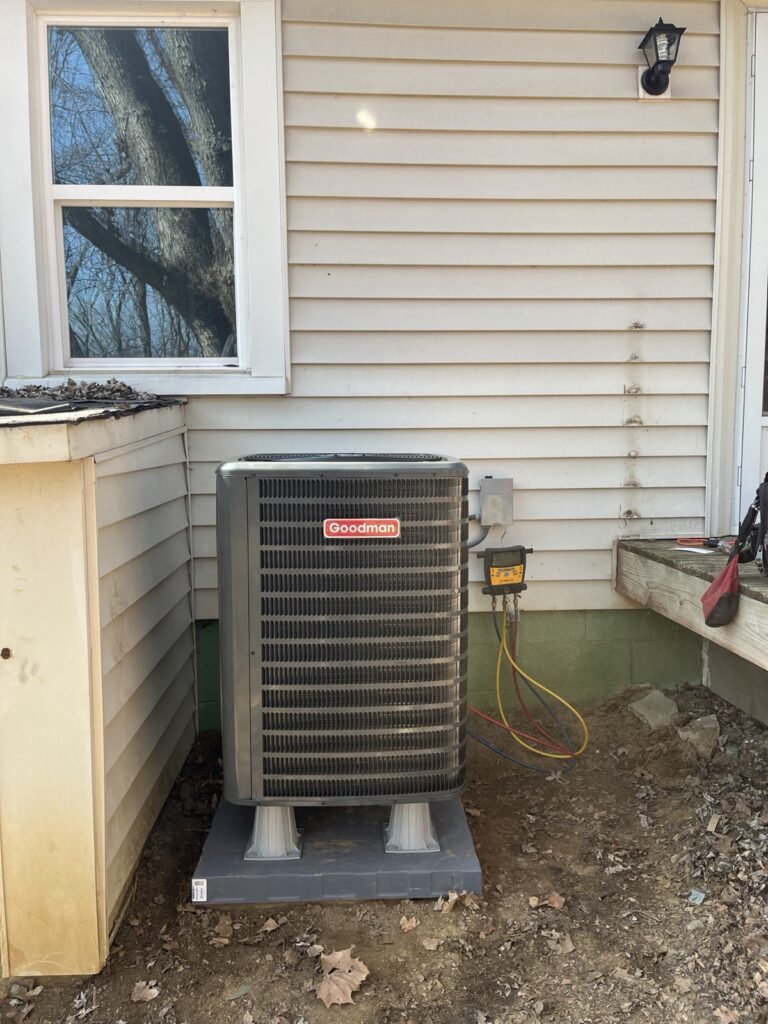
A heat pump doesn’t make heat — it moves it. Even at 20°F there is heat energy in outdoor air, and the refrigerant in a heat pump absorbs it, compresses it to a higher temperature, and releases it inside your home. In summer the cycle reverses and the same equipment is your air conditioner. The outdoor unit looks exactly like an AC condenser; the difference is a reversing valve and the controls.
What changed in the last decade is the compressor. Older single-speed heat pumps lost most of their heating capacity below about 35°F. Today’s inverter-driven (variable-speed) heat pumps from Goodman, Amana and Daikin keep delivering useful heat well into the teens, and cold-climate models are rated to hold most of their capacity at 5°F. Louisville’s average January low is in the mid-20s; nights in the single digits happen a few times a winter, not for weeks on end.
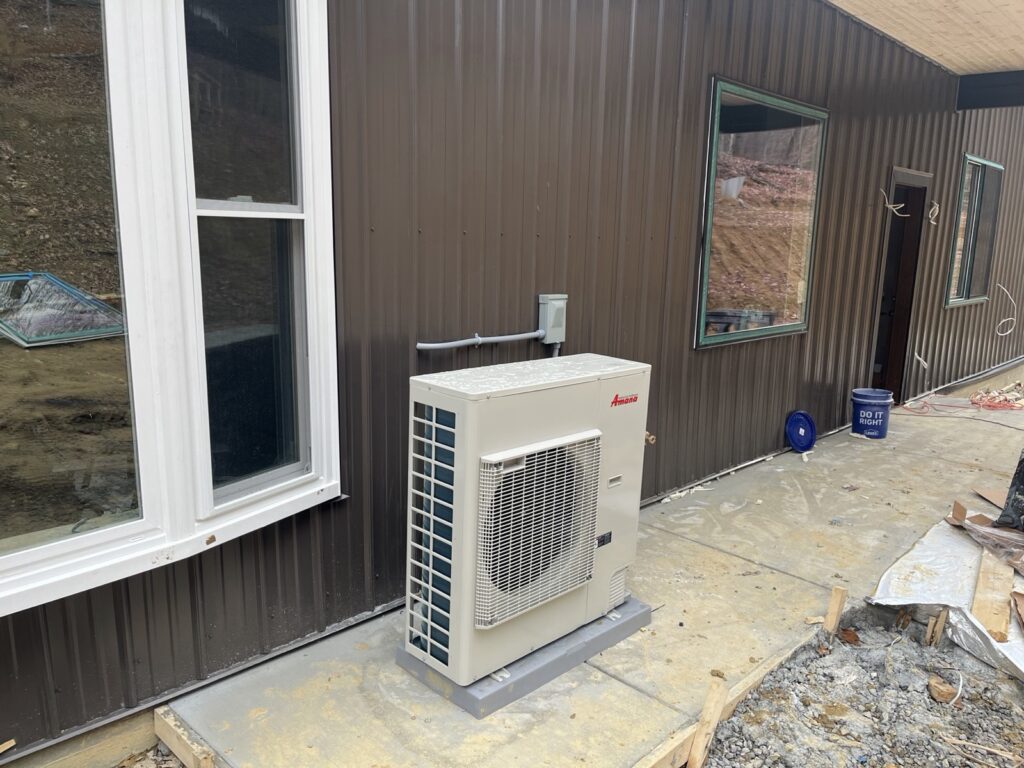
What happens below freezing: backup heat, defrost and “emergency heat”
Auxiliary (backup) heat
Every heat pump system has a backup. In an all-electric system it’s electric resistance strips inside the air handler, which turn on automatically when the heat pump alone can’t hold the thermostat setting — typically during the coldest hours, or when you ask the thermostat for a big jump in temperature. Strip heat works, but it costs two to three times more per hour than the heat pump, which is why the next two points matter.
The defrost cycle
In damp cold — which is most Louisville winter weather — frost builds on the outdoor coil. The system periodically reverses for a few minutes to melt it; you’ll see steam rising from the outdoor unit and may feel cooler air at the vents briefly. That is normal. A unit that is caked in ice or defrosting constantly is not — that’s a repair call.
“Emergency heat” on the thermostat
This setting bypasses the heat pump and runs only the backup heat. Use it if the outdoor unit has failed or is iced solid and you’re waiting for service. Don’t leave it on as a habit — it’s the most expensive way to heat the house.
Dual-fuel: a heat pump and a gas furnace working together
For many Louisville homes that already have gas, the best answer isn’t heat pump or furnace — it’s both. A dual-fuel (hybrid) system pairs a heat pump with a gas furnace as the backup. Above a set outdoor temperature (the balance point, usually somewhere in the 30s), the heat pump does the work cheaply. Below it, the system switches to the furnace, which heats quickly and doesn’t care how cold it gets. You get the heat pump’s efficiency for most of the winter, a gas furnace for the cold snaps, and no electric strip heat at all. If you’re choosing between the two, read heat pump vs. furnace for Louisville homes.
What a heat pump costs to run in Louisville
Running cost depends on your LG&E electric and gas rates, the system’s efficiency rating (HSPF2 for heating, SEER2 for cooling) and how the thermostat is used. In general: a modern heat pump heats more cheaply than electric baseboards or an old furnace, roughly comparable to a high-efficiency gas furnace through most of a Louisville winter, and more expensive than gas only on the coldest nights if it’s leaning on strip heat. That’s exactly why dual-fuel is popular here. Replacing a 20-year-old system with either option usually lowers the bill; our guide to why heating bills run high covers the other half of the equation.
Five habits that keep a heat pump efficient in winter
- Set it and leave it. Heat pumps work best holding a steady temperature. Big overnight setbacks trigger the backup heat in the morning and cost more than they save — keep setbacks to 2–3°F, or use a thermostat with a heat-pump recovery mode. See how a smart thermostat helps.
- Keep the outdoor unit clear. Leaves, snow and ice against the coil choke the airflow. Leave 18–24 inches of clearance and never pile snow against it.
- Change the filter. Low airflow hurts a heat pump even more than a furnace.
- Expect lukewarm air. Heat pump supply air is around 90–100°F — warmer than your skin, cooler than a furnace’s. It runs longer and steadier; that’s by design, not a fault.
- Get it tuned before winter. Refrigerant charge, defrost controls and the backup heat are checked in a fall visit; our annual maintenance plan covers both seasons.
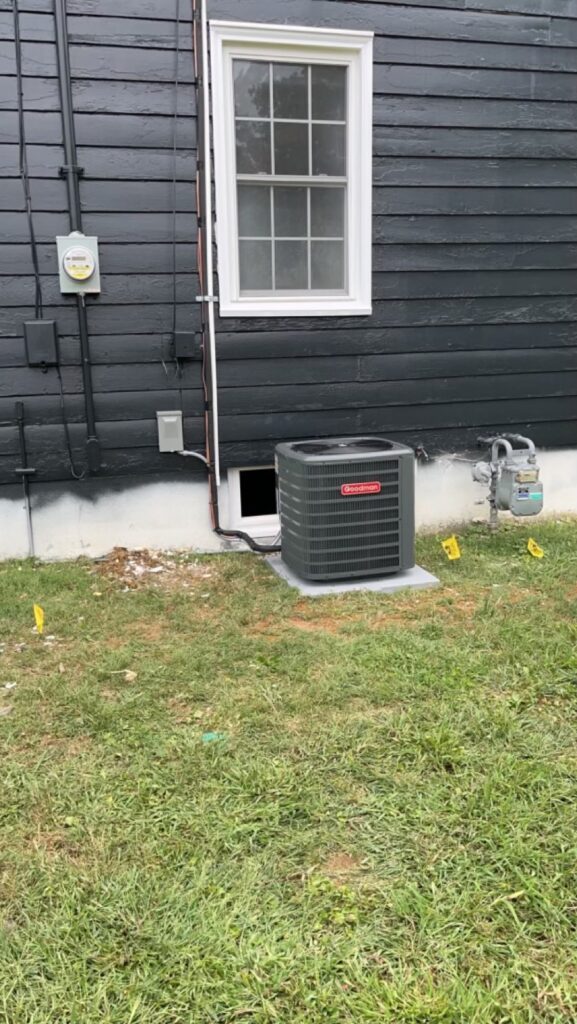
When a heat pump is the right choice for a Louisville home
- All-electric homes, or homes where the gas furnace and the AC both need replacing: one system does both jobs.
- Homes with existing gas that want lower bills most of the winter: dual-fuel.
- Additions, bonus rooms and garages without ductwork: a ductless mini-split heat pump.
- Older, drafty homes with undersized ductwork: sometimes a high-efficiency furnace is still the better fit. A proper load calculation — which we do before every quote — tells you, not a sales pitch.
For how the two compare on upfront cost, see HVAC installation costs in Louisville, and what installation day looks like.
Heat pump winter FAQs
At what temperature does a heat pump stop working?
It doesn’t stop — its capacity falls as the temperature drops. Standard models lose ground below about 25–30°F and lean on backup heat; cold-climate models are rated to deliver most of their heat at 5°F. Your system’s balance point is set during installation.
Is the steam coming off my heat pump a problem?
Steam during a defrost cycle is normal. Thick ice that doesn’t clear, or a unit defrosting every few minutes, needs service.
Should I switch to “emergency heat” when it gets really cold?
No — the system switches to backup heat on its own as needed. Emergency heat is for when the heat pump itself has failed.
Do heat pumps qualify for rebates?
Utility and manufacturer rebates change through the year. Ask us about current LG&E/KU programs and Goodman, Amana and Daikin promotions when you request an estimate, and we’ll build any that apply into the written quote. New customers also get $500 off a new installation — mention code HVAC500.
Thinking about a heat pump or dual-fuel system? We’ll measure the house, run the load calculation and give you a written comparison — heat pump, furnace, or both. Serving Louisville, Highview, Jeffersontown, St. Matthews, and the surrounding neighborhoods since 1975 — veteran-owned, licensed (License # HM05930).