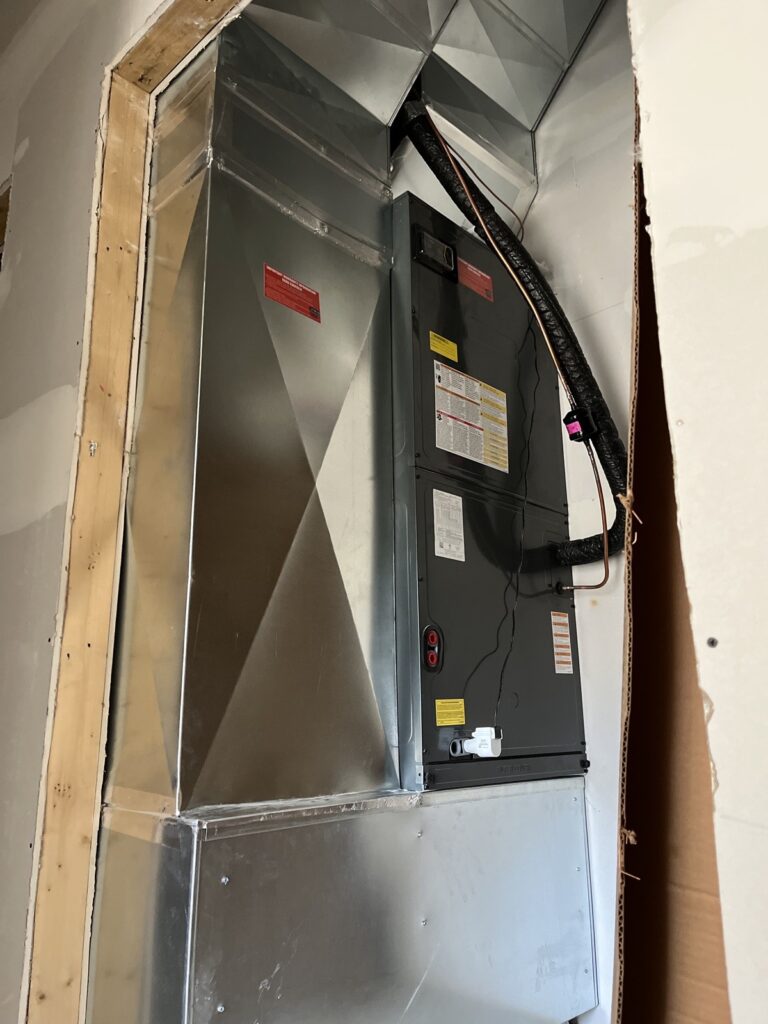
The thermostat says 70. The living room is fine. And the bedroom over the garage, or the office at the end of the hall, is a refrigerator. If one room is always cold in your Louisville home, the furnace is usually not the problem — the air isn’t getting where it needs to go. Here are the seven causes we find most often, how to tell which one you have, and the fixes, from free to permanent.
First, rule out the two free ones
1. Closed, blocked or dirty vents
Walk the house. Supply registers hidden under beds, rugs or furniture, dampers on the register flipped shut, and return grilles blocked by a dresser all starve a room. Open and clear every supply and return, then give the system a day. Closing vents in unused rooms to “push more air” elsewhere doesn’t work on a forced-air system — it raises duct pressure, increases leakage and can make the furnace short-cycle.
2. A dirty filter
A clogged filter cuts airflow to the whole house, and the rooms at the end of the longest duct runs feel it first. Replace it, and check it monthly through heating season. It’s also the first item on our list of quick checks for a furnace that’s not heating.
3. Leaky or disconnected ductwork
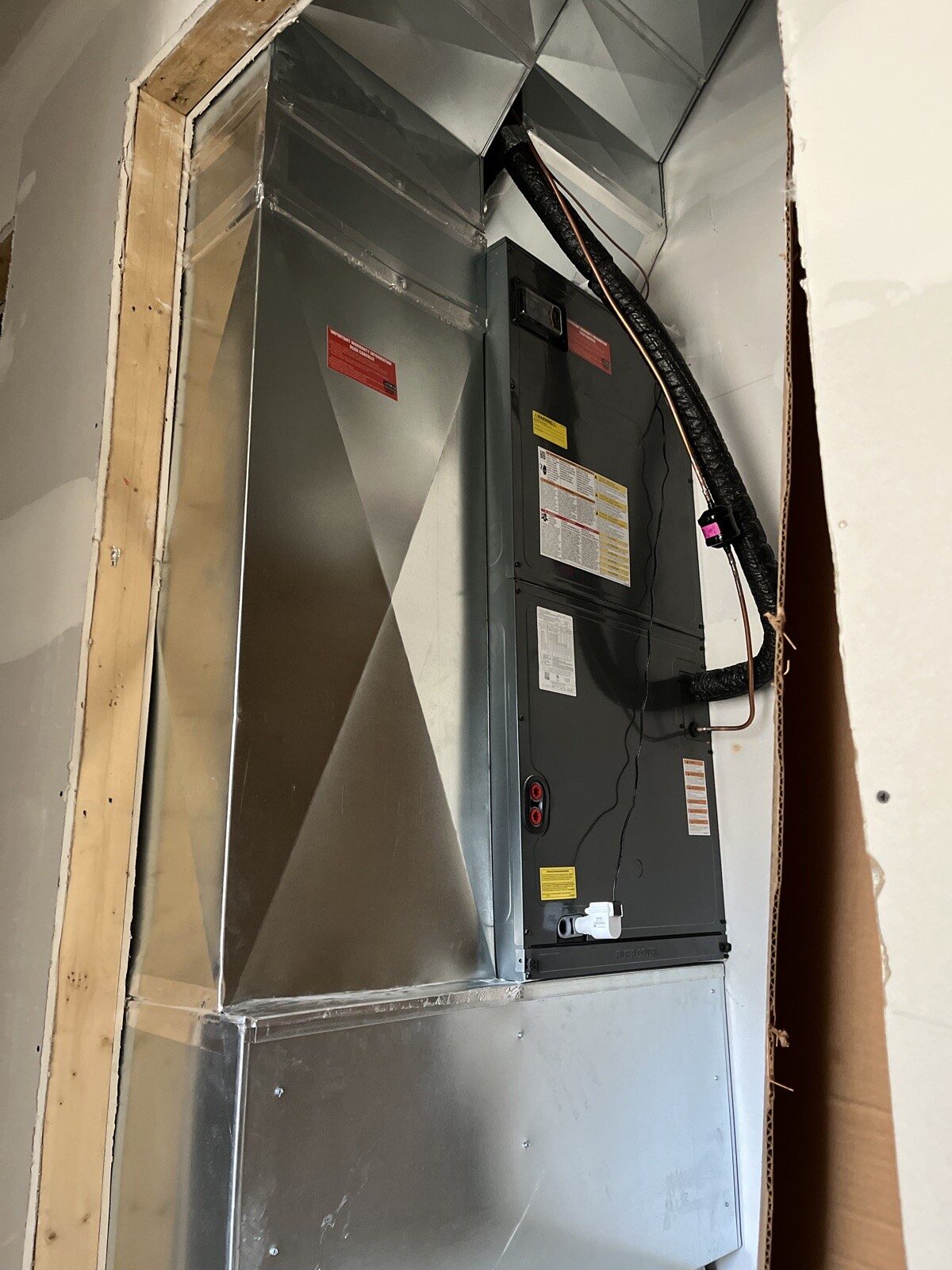
This is the most common cause we find in Louisville homes built before the 2000s. Supply ducts run through attics, crawl spaces and garages; joints were sealed with cloth tape that let go years ago, a flex duct got crushed, or a run came apart entirely. The air meant for the cold room is heating the attic. Clues: the room is cold in winter and hot in summer, dust builds up fast, and the bill is high for the size of the house. Fix: a duct inspection, then sealing the joints with mastic, reconnecting and supporting runs, and insulating ducts in unconditioned space. It’s often the highest-return repair in the house, which is why it’s also fix #3 in why your heating bill is so high.
4. The room is at the end of the line — or above the garage
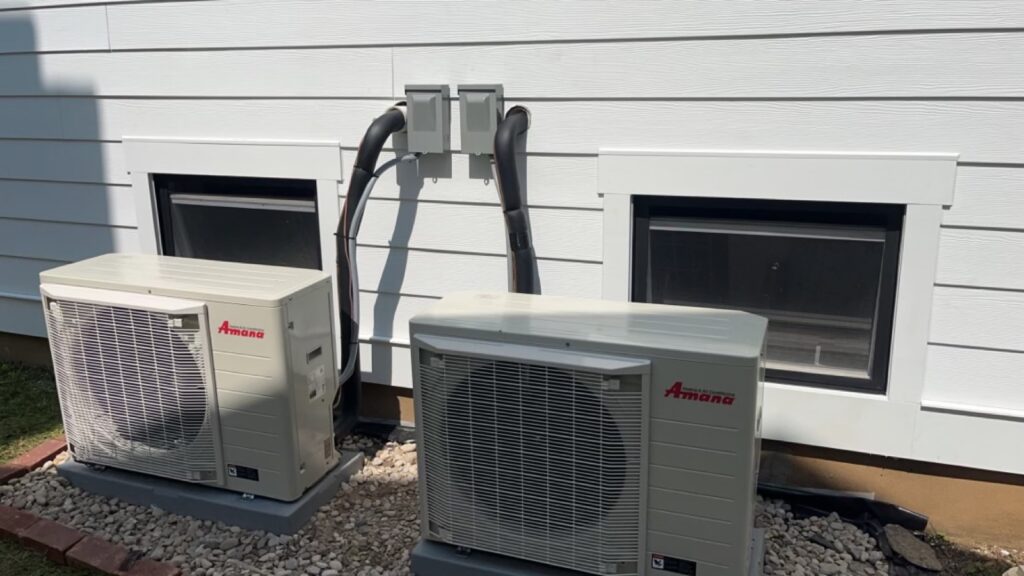
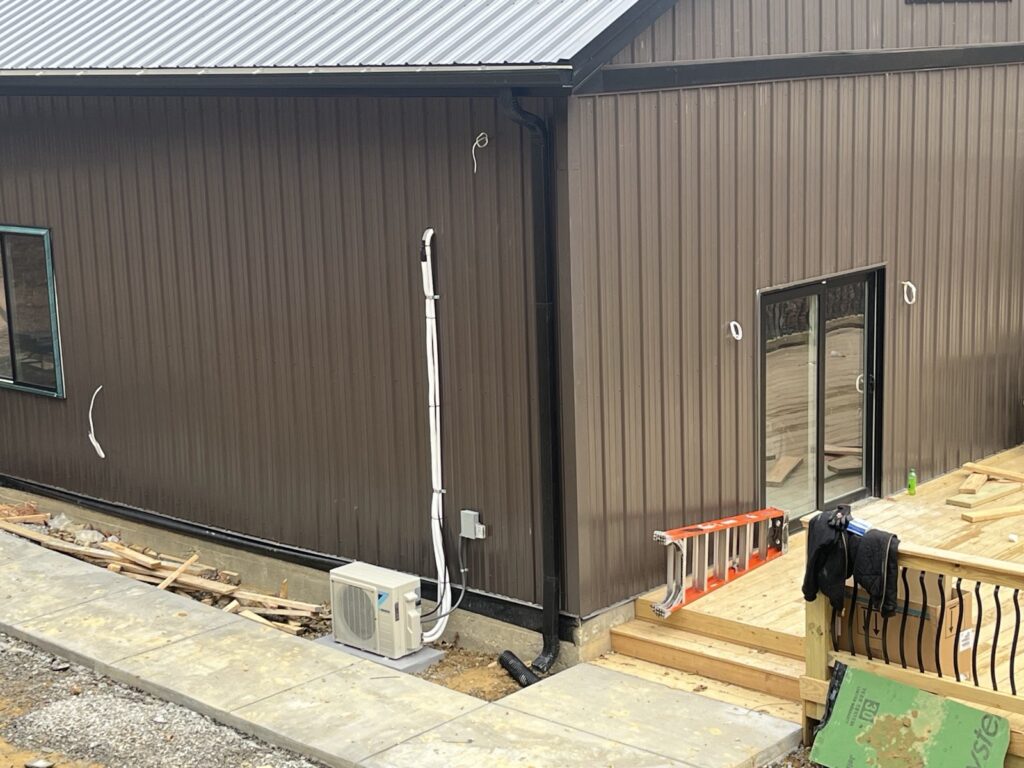
Some rooms are simply hard to heat: the bonus room over an unheated garage, the bedroom at the far end of a long single-story, the converted attic or porch. They have more exterior surface, less insulation under or around them, and the longest duct run with the least pressure left. Fixes range from adding a return air grille in the room (a surprisingly common omission), to a booster fan on that duct run, to a dedicated ductless mini-split that heats and cools that room on its own and leaves the rest of the house alone.
5. Insulation and air leaks
If the cold room has an exterior wall or two, a big window, a floor over a crawl space or garage, or a ceiling under an attic with thin insulation, it’s losing heat faster than the duct can supply it. Weatherstrip the window, seal around the frame and outlets, add insulation under the floor or in the attic above, and the same airflow suddenly keeps up. These fixes are cheap and they lower the bill in every season.
6. The system is the wrong size, or the ducts never matched it
An oversized furnace heats the thermostat’s room fast and shuts off before the far rooms warm up — short, hot blasts and cold corners. An undersized one runs constantly and never catches up. And a furnace replaced “same size as the old one” with no duct assessment inherits whatever problems the old system had. When a system is quoted, insist on a load calculation and a look at the ductwork; it’s part of how a proper installation goes, and if your furnace is older, see furnace repair or replace.
7. One thermostat for two very different floors
Heat rises. A two-story home with a single thermostat downstairs will overheat upstairs in winter and leave downstairs chilly in summer, or the reverse depending on where the thermostat sits. Fixes, in order of cost: a smart thermostat with a remote room sensor so it averages or prioritizes the problem room (how smart thermostats help); balancing dampers in the ductwork, adjusted seasonally; or a true zoning system with motorized dampers and a thermostat per floor, which can be added to many existing systems.
How to figure out which one you have
- Cold in winter and hot in summer: airflow — ducts, vents, filter, duct length. Start with #1–#4.
- Cold only when the wind blows or at night: insulation and air leaks. Start with #5.
- Whole floor is off, not one room: thermostat placement and zoning. See #7.
- Problem started after a new furnace or AC: sizing or ductwork that wasn’t addressed. See #6.
- Hold your hand at the register: strong warm air means the room is losing heat (#5); weak or cool air means it isn’t getting heat (#3, #4, #6).
What we do on a comfort call
We measure, rather than guess: airflow at the registers, static pressure in the duct system, temperature rise at the furnace, and a look at the ducts in the attic or crawl space. Then you get the fixes ranked from cheapest to permanent, in writing. Many “cold room” problems are solved with duct sealing and a return grille; some are best solved with a ductless unit or zoning; a few are the sign that the system is due. Members of our annual maintenance plan get the airflow checks as part of every seasonal visit.
Uneven heating FAQs
Will closing vents in other rooms warm up the cold one?
Rarely, and it can damage the system. A forced-air system is designed for a certain amount of open ductwork; closing registers raises pressure, increases leaks and can overheat the furnace.
Can a space heater fix it?
It can take the edge off, but electric space heaters are the most expensive heat in the house and a fire risk around bedding and furniture. They’re a stopgap, not a solution.
How much does duct sealing cost?
It depends on how much ductwork is accessible and how bad it is — from a modest repair to a half-day job. We quote it in writing after the inspection, and it usually pays back in energy savings alone.
Is a ductless mini-split expensive for one room?
A single-zone system is a fraction of the cost of a central system replacement and solves the room permanently — plus it air-conditions it in summer. Our guide to ductless mini-splits in Louisville covers costs and where they make sense.
Tired of the cold room? Book a comfort check and we’ll measure the airflow, inspect the ducts and give you the fixes in order of cost. Serving Louisville, Highview, Jeffersontown, St. Matthews, and the surrounding neighborhoods since 1975 — veteran-owned, licensed (License # HM05930).