Louisville summers don’t give an air conditioner much room for error. When the heat index climbs into the 90s and the AC starts acting up, most homeowners want to know two things: what’s actually wrong, and is this a quick fix or a big one? Here are the AC problems we see most often on service calls around Louisville, what causes them, and what it typically takes to fix each one.
The AC runs but doesn’t cool
This is the most common complaint we hear, and it has several possible causes:
- Low refrigerant from a leak. Refrigerant doesn’t get “used up” — if the level is low, there’s a leak somewhere in the line set or coil. We use electronic leak detection to find it, repair the leak, and recharge the system to the manufacturer’s specification.
- A dirty condenser or evaporator coil. Dirt and pollen buildup on the outdoor unit’s coil acts like a blanket, blocking the heat transfer the system depends on. A coil cleaning often restores cooling on the spot.
- A failing compressor. The compressor is the heart of the system. When it’s weak or failing, the AC may run constantly without ever catching up. Depending on the unit’s age and warranty status, this can mean a compressor replacement or a conversation about full system replacement.
The AC won’t turn on at all
Before you call, check two things that take thirty seconds: your thermostat batteries, and whether a breaker has tripped. If both check out, common culprits include:
- A tripped safety switch. A float switch near the indoor coil shuts the system down if the condensate drain is clogged, to prevent water damage. Clearing the drain line usually solves it.
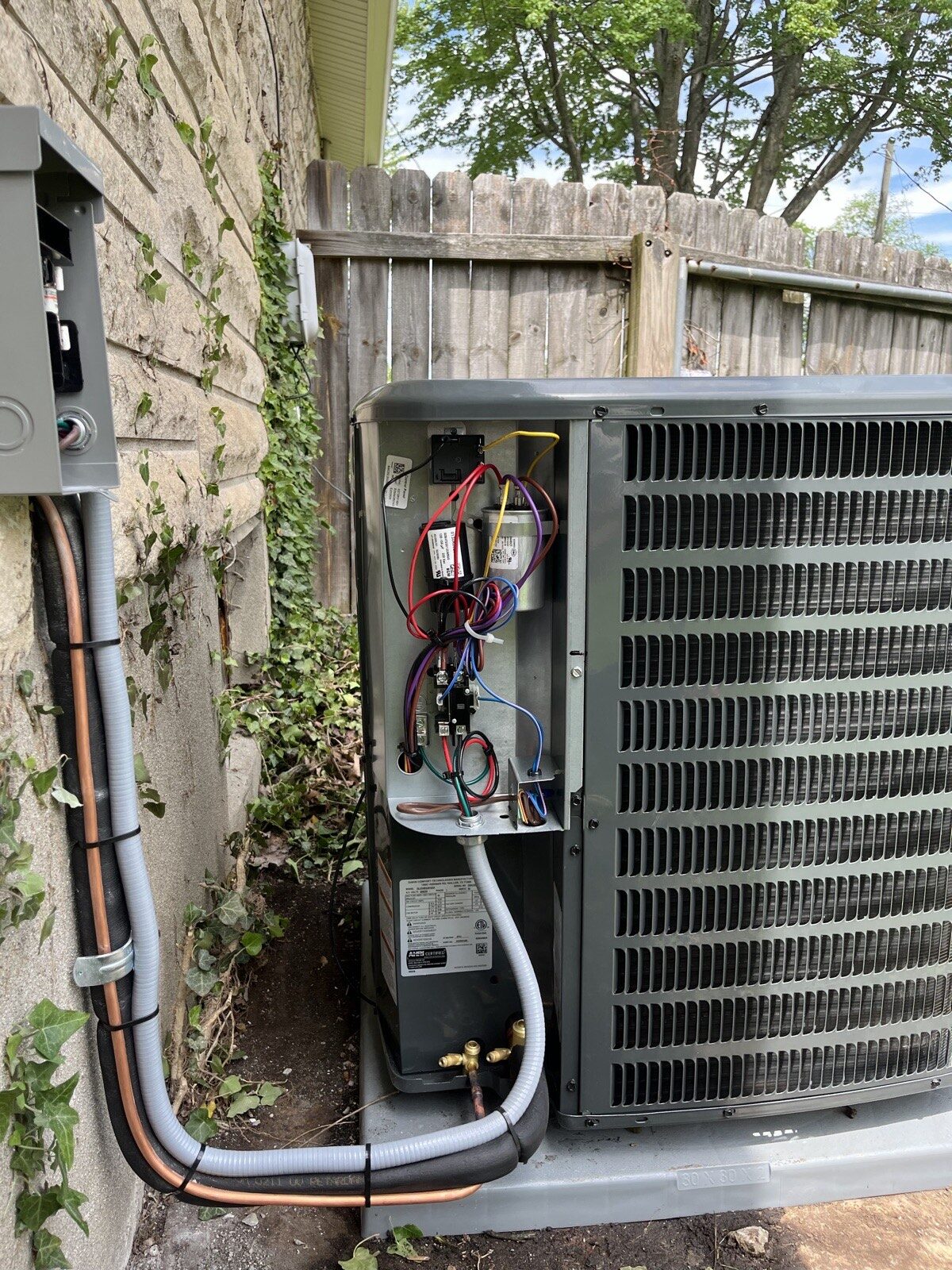
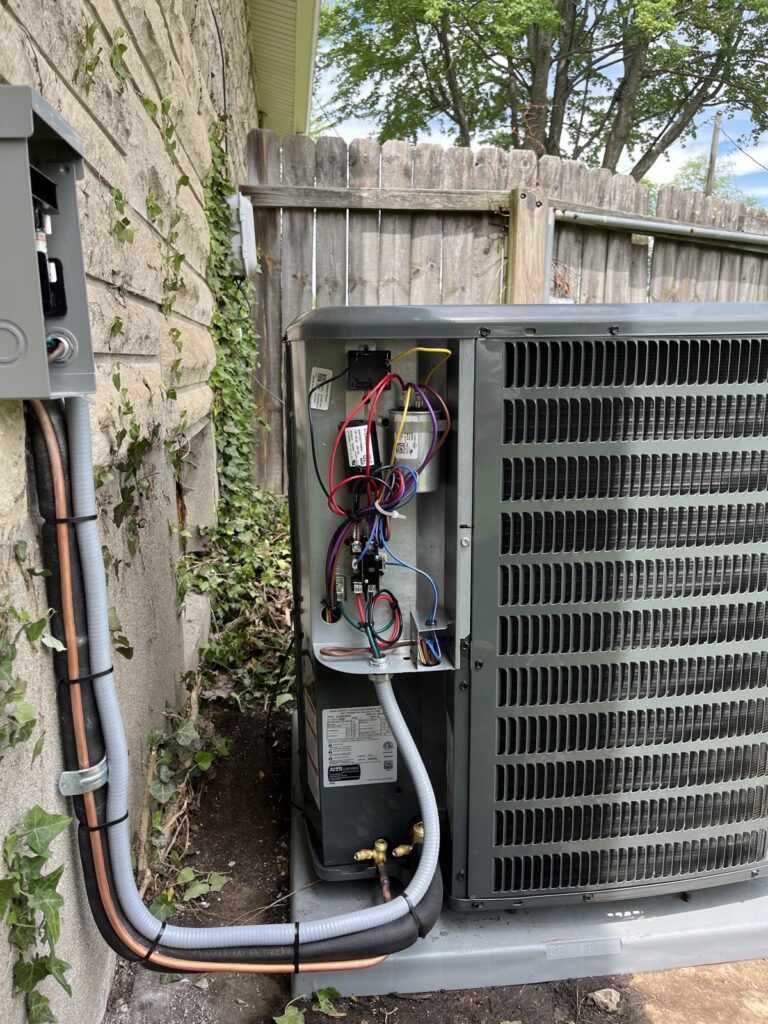
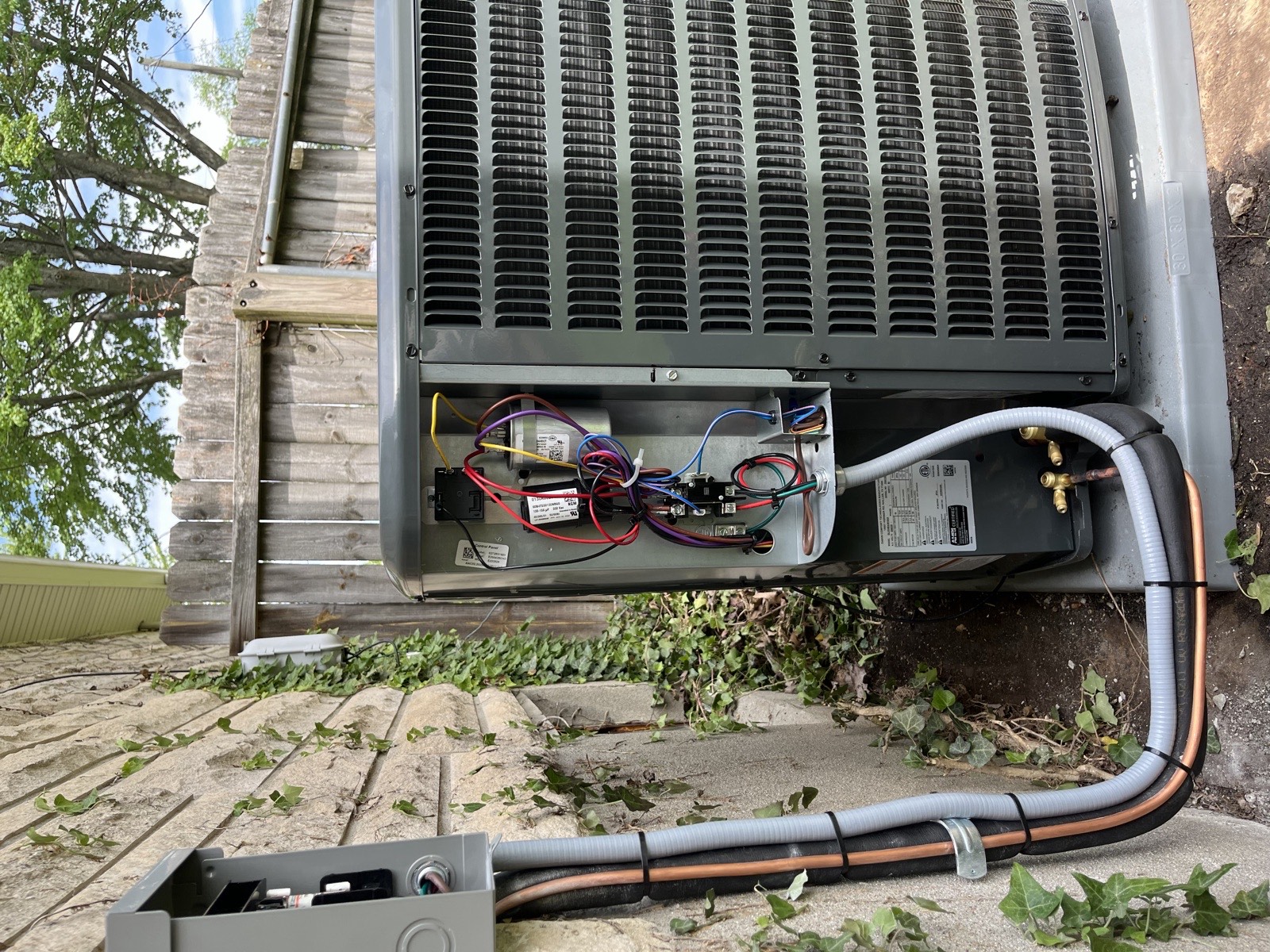
- A blown capacitor or failed contactor. These small electrical components are inexpensive but critical — when they fail, the compressor or fan motor simply won’t start.
- A tripped breaker that keeps tripping. If resetting it once fixes the problem, fine. If it trips again, that’s a sign of an electrical fault that needs a technician, not a habit of flipping the breaker back on.
Weak airflow or uneven cooling between rooms
If some rooms are comfortable and others aren’t, the equipment itself may be fine — the problem is often getting the air where it needs to go:
- A clogged air filter. This is the single most common cause of weak airflow, and the easiest to prevent. A dirty filter restricts airflow across the whole system and can eventually freeze the coil.
- Leaky or undersized ductwork. Ducts running through a hot attic can lose a meaningful amount of cooled air before it ever reaches the register.
- A system that’s the wrong size for the house. An oversized system cools the nearest rooms quickly and shuts off before it can push air to the far end of the house. This is a sizing problem, not a filter problem, and no amount of duct sealing fixes it.
Ice forming on the refrigerant lines or indoor coil
A frozen coil is a symptom, not the root problem. It’s almost always caused by restricted airflow (a dirty filter, closed vents, a failing blower motor) or low refrigerant. Turning the system off and letting it thaw is the right first step — running it while it’s frozen can damage the compressor. After that, a technician needs to find why it froze in the first place.
A rise in your summer electric bill with no change in habits
A gradually climbing bill often points to a system working harder than it should: a dirty coil, low refrigerant, a failing capacitor causing hard starts, or a unit simply getting older and less efficient. Compare it against last year’s bill for the same month — a jump of more than 15-20% with no change in weather or usage is worth having checked.
When to repair versus when to replace
We use a simple rule of thumb with customers: if the repair cost is more than 40-50% of what a new system would cost, and the unit is past 10-12 years old, replacement is usually the better financial decision. Below that threshold, or on a newer system, repair almost always makes more sense. If you’re weighing that decision right now, our guide on signs your HVAC system needs an upgrade covers it in more depth.
Related: Prevent many of these problems with scheduled care — see whether an HVAC maintenance plan is worth it.
AC acting up right now? Don’t wait out a Louisville heat wave hoping it fixes itself. We offer 2-hour arrival windows and honest diagnostics — you’ll know what’s wrong and what it costs before any repair begins.