A rooftop unit failing on a Saturday doesn’t just mean an uncomfortable office on Monday — for a restaurant, retail store, or medical office in Louisville, it can mean lost revenue, spoiled inventory, or an unusable building until a technician can get out. Commercial HVAC systems work harder and longer than residential ones, and they punish neglect faster. Here’s what a real commercial maintenance plan should cover, and why it matters more than most business owners realize.
Why commercial HVAC needs a different approach than residential
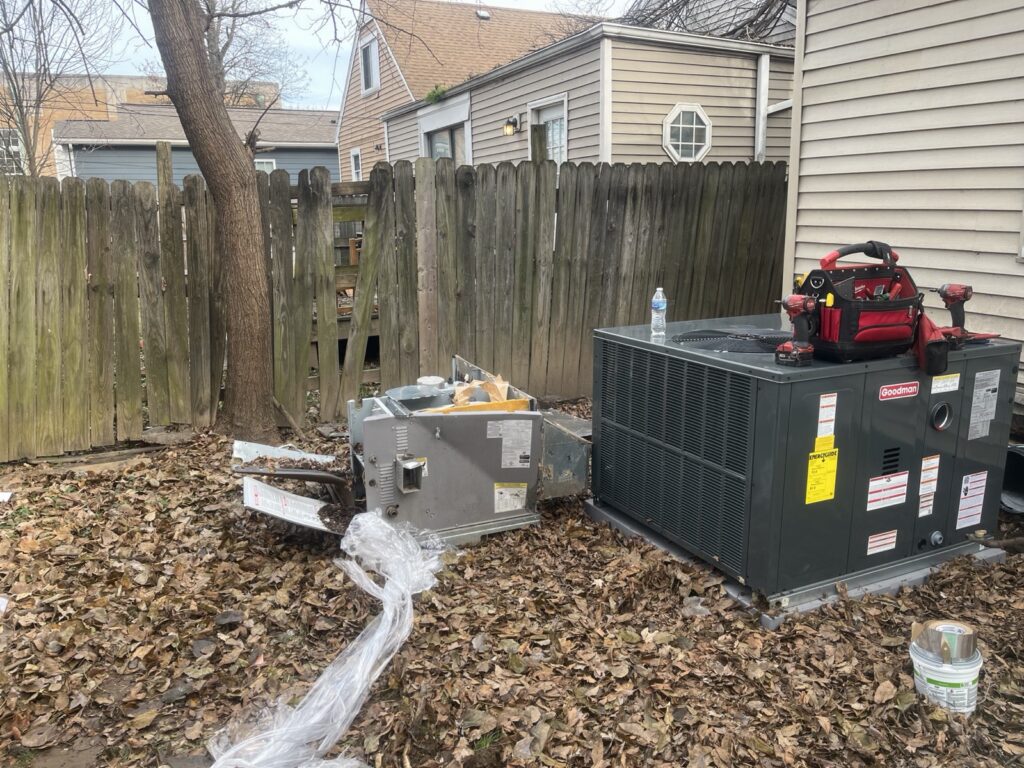
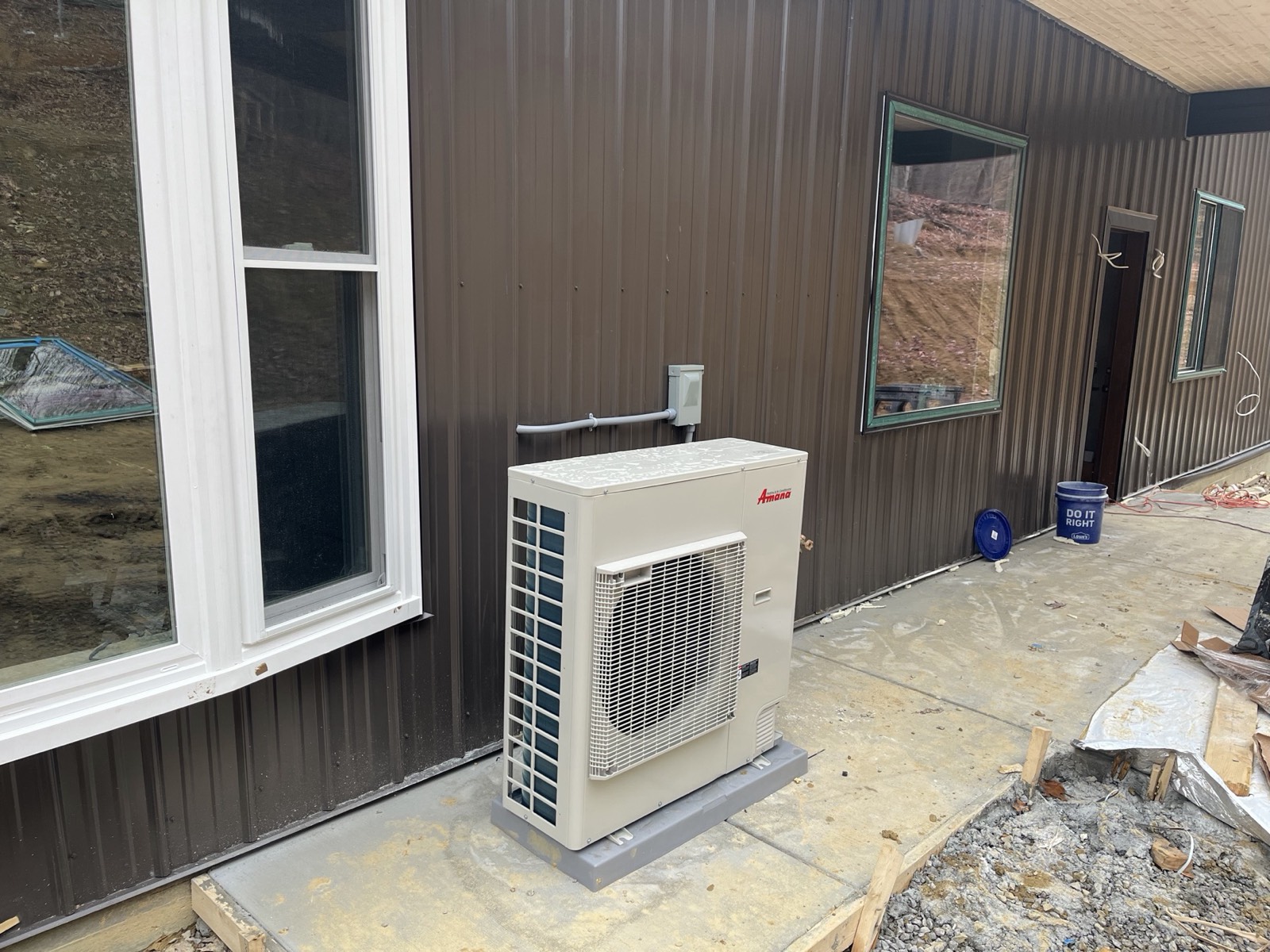
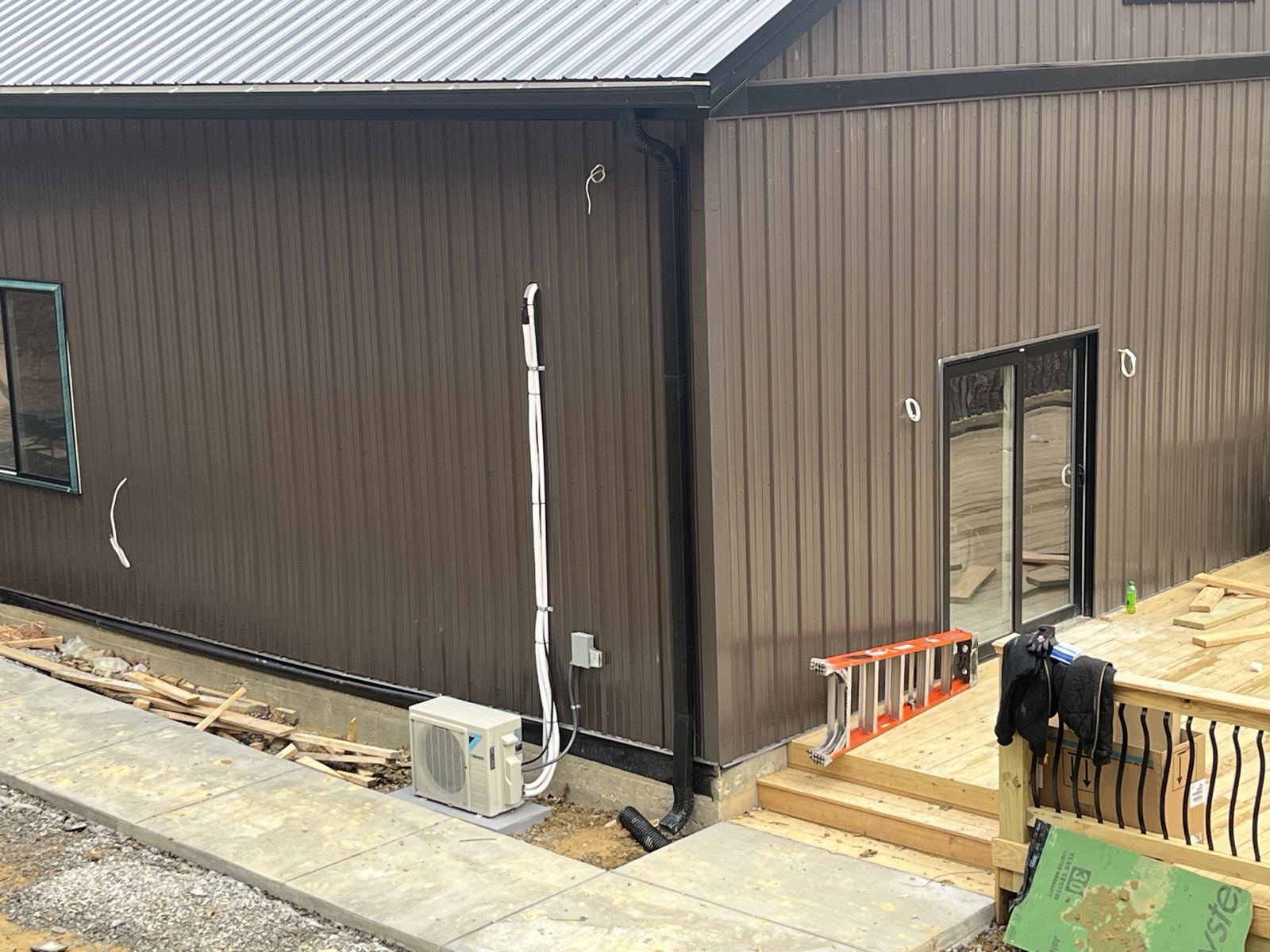
A packaged rooftop unit or a multi-zone Daikin system serving a commercial space runs far more operating hours than a home system, often with equipment stacked closely together and less redundancy. When a unit goes down, there’s frequently no backup keeping the space comfortable while repairs happen. Preventive maintenance isn’t optional overhead for a business — it’s what keeps a small problem from becoming a closed-for-the-day problem.
What a commercial maintenance visit should actually include
- Coil cleaning, inside and out. Restaurant kitchens, retail floors, and warehouses all generate different kinds of buildup — grease, dust, or debris — that restrict airflow and force the system to work harder.
- Refrigerant charge and pressure checks. An undercharged system loses cooling capacity gradually, which often gets blamed on “old equipment” when it’s really a slow leak that a routine check would have caught.
- Electrical and control inspection. Loose connections and aging contactors are common failure points on units that run long hours, and they’re inexpensive to catch early and expensive to ignore.
- Belt, bearing, and blower inspection. On packaged rooftop units, worn belts and bearings are one of the most common causes of an unexpected mid-week breakdown.
- Filter changes on a commercial schedule. Commercial spaces often need filters changed more frequently than a home system — sometimes monthly, depending on occupancy and use.
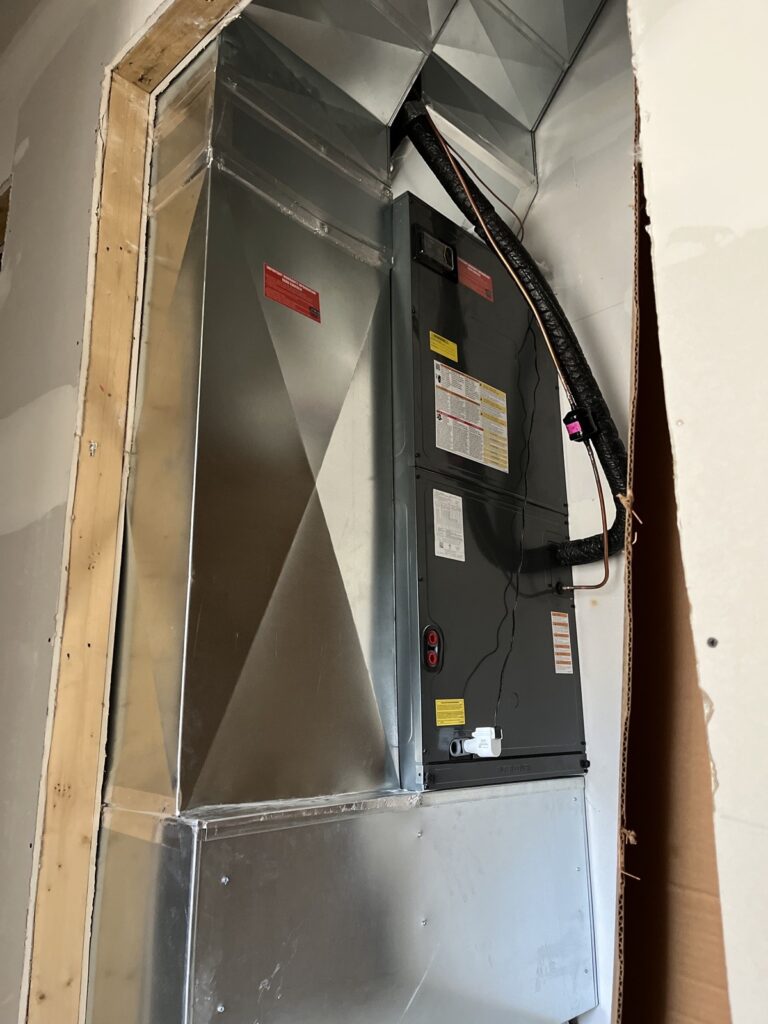
- Condensate drain and drain pan service. A clogged drain on a rooftop or ceiling-mounted unit doesn’t just shut the system down — it can mean water damage to the ceiling or stock below it.
Who benefits most from a scheduled plan
- Restaurants and food service. Kitchen equipment adds heat and grease-laden air that residential-grade maintenance schedules don’t account for.
- Retail and office buildings. Comfort directly affects customer time-in-store and employee productivity — an inconsistent HVAC system is a quiet cost most owners don’t measure until it’s fixed.
- Multi-unit and mixed-use properties. Landlords and property managers juggling several tenants benefit from one predictable maintenance schedule instead of reactive service calls across multiple units. If that’s your situation, our guide for landlords and property investors covers the property-management side of HVAC care.
- New construction and recent buildouts. Newly installed commercial systems still need their first scheduled service to catch anything an initial commissioning might have missed and to keep the manufacturer’s warranty valid.
The real cost of skipping commercial maintenance
The math on this is straightforward: a maintenance visit costs a fraction of an emergency after-hours repair call, and it costs far less than the revenue a business loses when it has to close or send customers away because the building isn’t comfortable. Compressor failures, refrigerant leaks, and control board damage are the three most expensive commercial repairs, and all three show up as smaller, cheaper warning signs during a routine visit long before they become an emergency.
What to look for in a commercial HVAC partner
- Experience with your equipment. Ask whether the company services the specific brand and system type installed at your property — packaged rooftop units, split systems, and ductless multi-zone systems each have different maintenance needs.
- Documented service reports. A maintenance visit should leave you with a written record of what was checked and found, not just a verbal “everything looks fine.”
- Fast response for emergencies. Even with a maintenance plan in place, ask what response time to expect if something does fail.
- Straightforward pricing. A maintenance agreement should spell out exactly what’s included and what would trigger an additional charge.
Related: Own a home or rental property too? See our guide to HVAC maintenance plans for homeowners and landlords.
Ready to stop reacting to HVAC problems and start preventing them? Ask us about a commercial maintenance plan built around your building, your equipment, and your hours of operation.
Talk to Us About a Maintenance Plan See Our Commercial HVAC Services