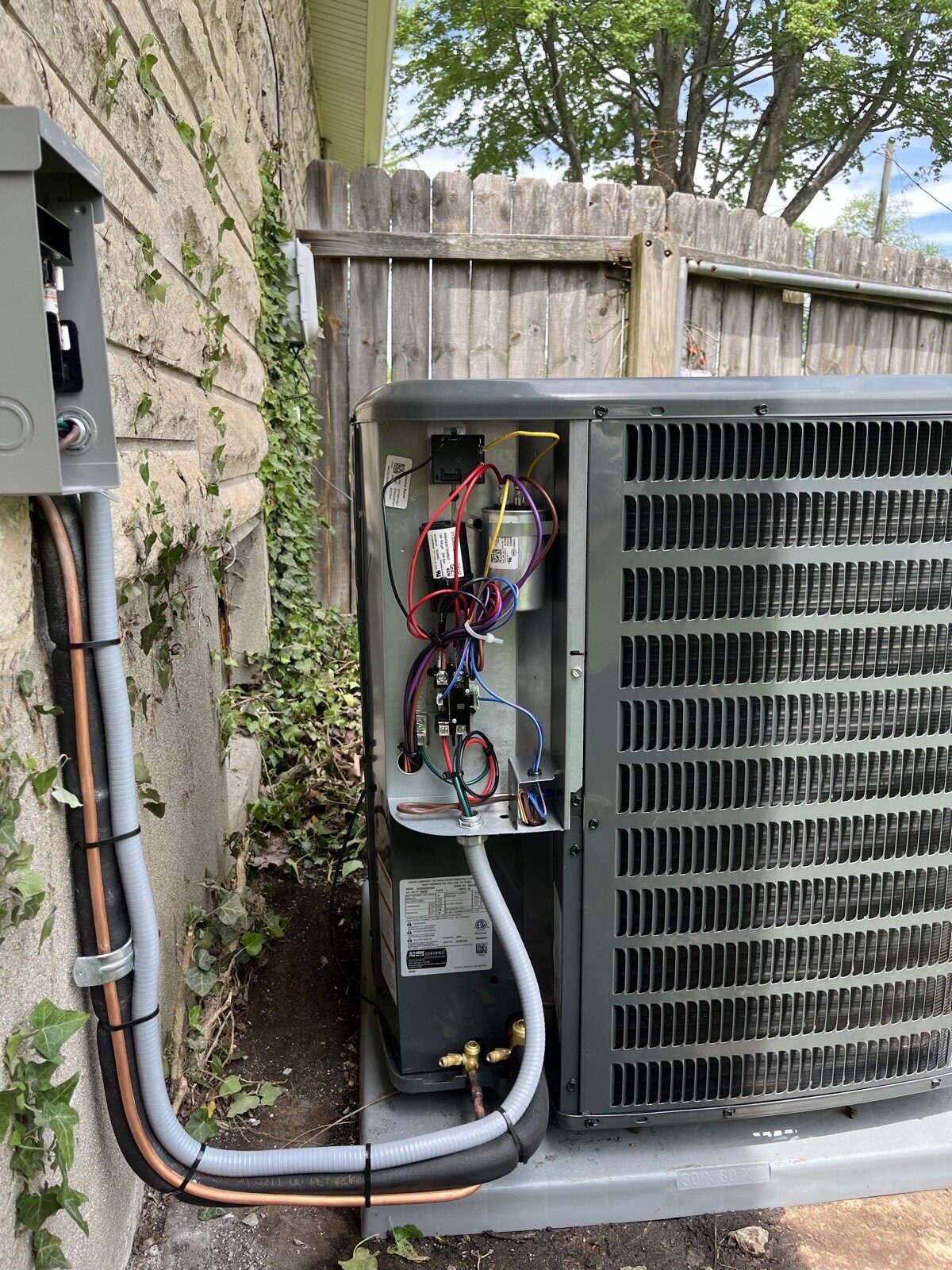
Furnaces make noise — a click, a whoosh, the hum of the blower. What they shouldn’t do is bang, squeal, scrape or rattle. If your furnace has started making a sound it didn’t make last winter, the sound itself usually tells you what’s wrong and how urgent it is. Here’s a guide to the most common furnace noises Louisville homeowners call us about, what each one means, which ones you can address yourself, and which ones mean turn it off and call.
First: the two noises that mean shut it off now
- A loud bang or boom when the furnace starts. This is usually delayed ignition: gas builds up in the burner compartment before it lights, then ignites all at once. Each small explosion stresses the heat exchanger and can crack it. Dirty burners and a weak igniter are the usual causes. Shut the furnace off at the thermostat and call for furnace repair.
- A rattle, rumble or roar from the burner area combined with a yellow flame, soot, or a CO alarm. These point to combustion or heat exchanger problems. Turn the furnace off, open a window, and read our furnace safety and carbon monoxide guide — then call. If anyone has a headache or feels dizzy, get outside first and call 911.
Noise-by-noise guide
Banging or popping from the ducts (not the furnace)
A single pop or bang a few seconds after the blower starts, coming from the walls or ceiling, is usually the sheet-metal ductwork expanding as warm air hits it — “oil-canning.” Annoying, not dangerous. It’s worse with undersized returns or a very restrictive filter, which pull the ducts in harder. Try a less restrictive filter first; if it’s loud, a technician can brace the duct or add a return. Our post on uneven heating covers the same duct problems from a comfort angle.
Squealing or screeching
A high-pitched squeal when the blower runs is a motor problem: worn bearings on the blower motor or inducer motor, or on older furnaces a loose or glazed belt. Bearings don’t heal; a squealing motor is on its way to seizing, usually on the coldest night of the year. Schedule repair soon — it’s a routine fix if it’s caught before the motor fails.
Rattling
Start with the easy stuff: a loose access panel, a cabinet screw, or a register cover vibrating. Tighten them and listen again. If the rattle continues and comes from inside the furnace, it can be a loose blower wheel, a failing inducer motor, or — more seriously — a cracked heat exchanger changing shape as it heats. A rattle you can’t trace to a panel deserves an inspection.
Scraping or grinding — metal on metal
Turn the furnace off. A blower wheel that has come loose on its shaft, or has broken, is scraping the housing, and running it longer destroys the housing and the motor. This one is a repair call, not a wait-and-see.
Clicking
One or two clicks at startup are normal — that’s the thermostat and the igniter sequence. Repeated clicking with no ignition means the furnace is trying and failing to light: a dirty flame sensor, a weak igniter, a gas valve problem or a pressure switch that isn’t closing. Run through our 8 quick checks for a furnace that’s not heating; if it’s still clicking without heat, call.
Whistling
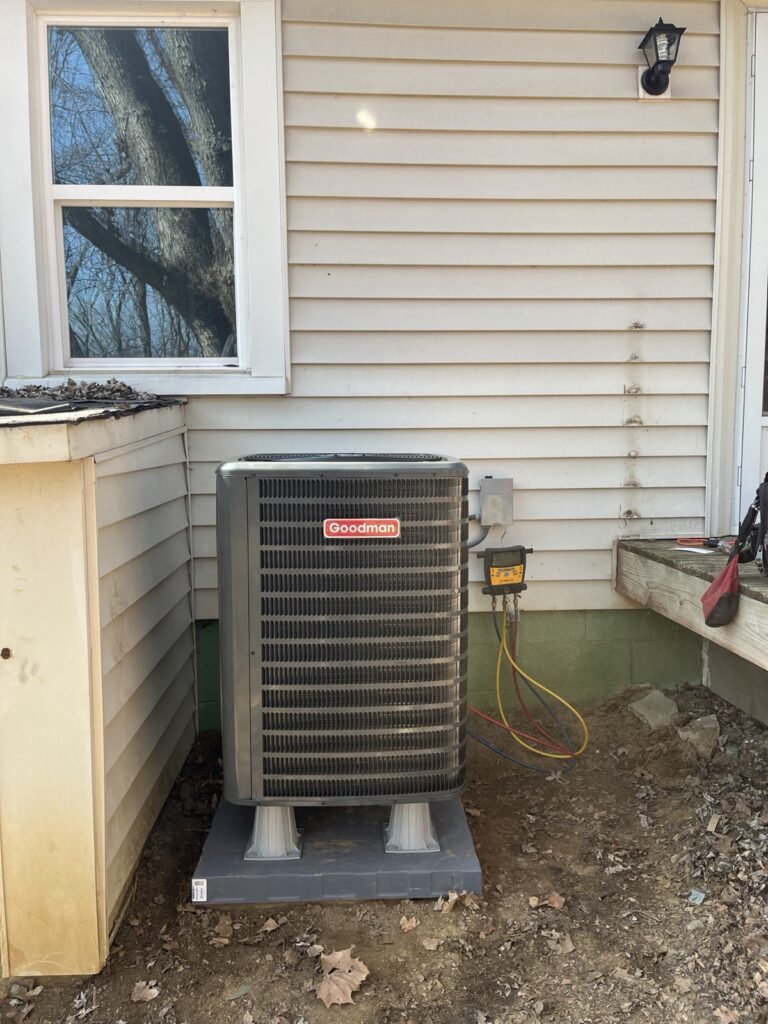
Whistling is air being forced through a gap that’s too small: a filter that’s too restrictive or installed backward, a return that’s too small for the furnace, a gap around the filter slot, or a duct leak near the furnace. Change the filter first. If it persists, it’s an airflow problem worth fixing — restricted airflow is what overheats furnaces and cracks heat exchangers over time.
Humming or buzzing
A low hum while the blower runs is normal. A loud hum or buzz when the blower should be running but isn’t points to a failing capacitor or a motor that’s trying to start and can’t — turn it off and call before the motor overheats. A buzz from the control board area can be a transformer or a loose electrical connection, which is also a service call.
Rumbling after the burners shut off
If you hear a rumble or roar continuing after the furnace cycles off, gas may still be burning in the combustion chamber — dirty burners or a gas valve that isn’t closing cleanly. Shut it off and call; this is a combustion issue.
Gurgling or dripping
High-efficiency (90%+) furnaces produce condensate, and a gurgle usually means the drain or trap is partly clogged. Water pooling under the furnace is the same problem one step further. Clear the drain line if you can reach it; otherwise it’s a quick fix during a tune-up.
Loud whoosh or roar that’s new
Every furnace makes some air noise. If the roar is suddenly much louder, suspect a very dirty filter, a blower running on high speed because of an airflow fault, or a cracked heat exchanger changing how the flame burns. Change the filter; if the sound stays, have it inspected.
Cheat sheet
- Turn off and call now: bang/boom at startup · scraping/grinding · rumbling after shutoff · any noise plus yellow flame, soot or a CO alarm.
- Call this week: squealing · persistent rattling from inside · buzzing without the blower running · repeated clicking with no heat.
- Try the filter and panels first: whistling · duct popping · a louder-than-usual whoosh · a rattle from a panel or register.
- Maintenance item: gurgling/dripping on a high-efficiency furnace.
Why noisy furnaces are usually neglected furnaces
Almost every sound above traces back to dirt, wear or restricted airflow — and all three are what a fall clean and check catches early: burners cleaned (no delayed ignition), motors and capacitors tested (no squeal or buzz), blower wheel cleaned and tightened (no scrape), filter and drain handled, heat exchanger inspected. Our Fall Heating Clean & Check Special covers all of it for $150 per system for the year, including the spring AC visit, and members of the annual plan get 10% off any parts a noise turns out to need.
Furnace noise FAQs
Is it safe to keep running a noisy furnace until the technician comes?
For whistling, duct popping or a panel rattle, yes. For banging at startup, grinding, rumbling after shutoff, or anything with a yellow flame or CO alarm, no — turn it off and use space heaters safely until it’s checked. If you’re without heat in freezing weather, see our emergency heating service.
My furnace is 18 years old and noisy. Is it worth fixing?
It depends on the noise. A capacitor or flame sensor is cheap. A heat exchanger or a blower motor on a furnace that age usually points toward replacement — our repair-or-replace guide walks through the math, and furnaces 15+ get a free written replacement estimate during our clean and check.
Why is my furnace louder than my neighbor’s?
Furnace location, duct design, filter type and the equipment’s age all matter. Variable-speed blowers in modern furnaces run slower and quieter most of the time, which is one of the things homeowners notice first after a replacement.
Hearing something new? Describe the sound when you call and we’ll tell you whether to shut it off. Serving Louisville, Highview, Jeffersontown, St. Matthews, and the surrounding neighborhoods since 1975 — veteran-owned, licensed (License # HM05930).